


Viscosity is a fundamental property that significantly influences the performance and application of anti - corrosion paint for metal. As a leading supplier of anti - corrosion paint for metal, I have witnessed firsthand how viscosity can make or break a project. In this blog, I will delve into what viscosity is, its importance in anti - corrosion paints, and how it affects the overall quality of metal protection.
Understanding Viscosity
Viscosity can be simply defined as a fluid's resistance to flow. In the context of anti - corrosion paint for metal, it is a measure of how thick or thin the paint is. A high - viscosity paint is thick and flows slowly, while a low - viscosity paint is thin and flows more readily. This property is strongly related to the internal friction between the molecules of the paint. When the molecules are more tightly packed and have stronger intermolecular forces, the paint has a higher viscosity.
The viscosity of a paint is typically measured in units such as centipoise (cP) or pascal - seconds (Pa·s). For anti - corrosion paints, the ideal viscosity range can vary depending on the type of paint, the application method, and the specific requirements of the project.
Importance of Viscosity in Anti - Corrosion Paints
Application
One of the most crucial aspects of viscosity is its impact on the application of anti - corrosion paint. Different application methods, such as brushing, spraying, or rolling, require paints with specific viscosity levels.
For brushing, a paint with a medium to high viscosity is often preferred. A higher - viscosity paint adheres well to the brush and spreads evenly on the metal surface. It allows for better control during application, reducing the risk of drips and runs. This is especially important when painting vertical or overhead surfaces.
Spraying, on the other hand, usually requires a lower - viscosity paint. Low - viscosity paints can be atomized more easily by the spray gun, resulting in a smooth and uniform coating. If the paint is too thick, it may clog the spray nozzle, leading to an uneven application and a poor finish.
Rolling applications also have their own viscosity requirements. A paint with a viscosity that is neither too high nor too low is ideal. If the paint is too thick, it may not spread evenly under the roller, leaving behind streaks. If it is too thin, it may drip or run off the roller.
Film Formation
Viscosity also plays a key role in the formation of the paint film. A paint with the right viscosity will flow and level properly on the metal surface, forming a continuous and uniform film. This is essential for effective corrosion protection.
When the viscosity is too high, the paint may not flow out completely, resulting in a rough and uneven film. This can create weak spots in the coating, where moisture and oxygen can penetrate and cause corrosion. Conversely, if the viscosity is too low, the paint may sag or run, leading to an inconsistent film thickness.
Pigment Suspension
Anti - corrosion paints often contain pigments that provide additional protection against corrosion. These pigments need to be evenly suspended in the paint to ensure consistent performance. Viscosity helps to keep the pigments in suspension.
A paint with sufficient viscosity prevents the pigments from settling at the bottom of the container during storage. If the pigments settle, it can lead to an uneven distribution of the protective properties in the paint. When the paint is applied, areas with a lower concentration of pigments may be more susceptible to corrosion.
Factors Affecting the Viscosity of Anti - Corrosion Paints
Resin Type
The type of resin used in the anti - corrosion paint is a major factor influencing viscosity. Different resins have different molecular structures and intermolecular forces, which directly affect the flow properties of the paint.
For example, epoxy resins are known for their relatively high viscosity. Epoxy - based anti - corrosion paints are often thick and have good adhesion properties. They are suitable for applications where a durable and protective coating is required.
Acrylic resins, on the other hand, generally have a lower viscosity. Acrylic - based anti - corrosion paints are more fluid and can be easily applied by spraying. They also offer good weather resistance.
Solvent Content
Solvents are added to anti - corrosion paints to adjust the viscosity. By increasing the solvent content, the viscosity of the paint can be reduced. Solvents dissolve the resin and other components in the paint, making it more fluid.
However, the amount of solvent used needs to be carefully controlled. Excessive solvent can lead to problems such as poor film formation and environmental issues. When the paint dries, the solvent evaporates, and if there is too much solvent, the paint may shrink and crack.
Temperature
Temperature has a significant impact on the viscosity of anti - corrosion paints. As the temperature increases, the viscosity of the paint decreases. This is because higher temperatures provide more energy to the molecules, allowing them to move more freely.
When applying anti - corrosion paint in hot weather, the paint may become too thin and runny. In cold weather, the paint may become too thick and difficult to apply. It is important to consider the temperature conditions during application and storage and, if necessary, adjust the viscosity accordingly.
Measuring and Controlling Viscosity
Viscosity Measurement
There are several methods for measuring the viscosity of anti - corrosion paints. One common method is using a viscometer. A viscometer measures the time it takes for a certain volume of paint to flow through a capillary tube or a small opening.
Another method is the use of a Ford cup. A Ford cup is a simple device that consists of a cup with a small hole at the bottom. The paint is poured into the cup, and the time it takes for the paint to flow out of the hole is measured. This time is then correlated to the viscosity of the paint.
Viscosity Control
Controlling the viscosity of anti - corrosion paints is essential to ensure consistent quality and performance. As a supplier, we take several steps to control viscosity during the manufacturing process.
We carefully select the raw materials, including resins and solvents, to achieve the desired viscosity. We also monitor the temperature and mixing conditions during production. Additionally, we provide clear instructions to our customers on how to adjust the viscosity if necessary during application.
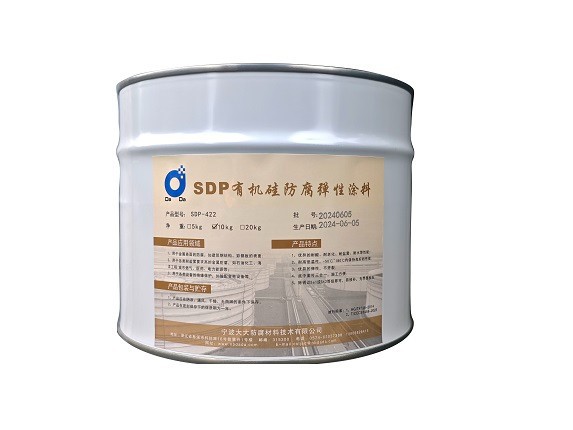

Our Product Range and Viscosity Considerations
At our company, we offer a wide range of anti - corrosion paints for metal, each with its own specific viscosity characteristics to suit different applications.
For example, our Silicone Anti - corrosion Elastic Coating is designed to have a medium viscosity, which makes it suitable for both brushing and spraying applications. This coating provides excellent elasticity and weather resistance, making it ideal for outdoor metal structures.
Our High Temperature Corrosion Resistant Coatings have a higher viscosity to ensure good adhesion and film formation at high temperatures. These coatings are formulated to withstand extreme heat and protect metal surfaces in industrial environments.
Conclusion
Viscosity is a critical property of anti - corrosion paint for metal. It affects every aspect of the paint, from application to performance. As a supplier, we understand the importance of viscosity and strive to provide our customers with high - quality paints that have the right viscosity for their specific needs.
If you are in need of anti - corrosion paint for your metal projects, we are here to help. Our team of experts can assist you in selecting the most suitable paint based on your application requirements. Contact us today to start a discussion about your procurement needs and let us work together to protect your metal assets from corrosion.
References
- Paint and Coating Technology Handbook.
- Corrosion Prevention and Control in the Metal Industry.


