


As a supplier specializing in anti - corrosion coatings for steel, I often encounter the question: Can anti - corrosion coatings for steel be used on steel bridges? This blog post aims to delve into this topic comprehensively, considering various aspects such as the characteristics of steel bridges, the functions of anti - corrosion coatings, and practical application cases.
The Corrosion Challenges of Steel Bridges
Steel bridges are exposed to a variety of harsh environmental conditions throughout their service life. The most common corrosive factors include moisture, oxygen, pollutants in the air, and saltwater in coastal areas. Moisture can act as an electrolyte, facilitating the electrochemical corrosion process on the steel surface. Oxygen is a key reactant in the oxidation of iron, which is the primary component of steel. Pollutants such as sulfur dioxide and nitrogen oxides in industrial areas can form acidic substances when combined with moisture, accelerating the corrosion rate. In coastal regions, salt spray contains chloride ions that can penetrate the steel's passive film, leading to pitting corrosion and general corrosion.
The corrosion of steel bridges not only affects their aesthetic appearance but also poses a significant threat to their structural integrity. Corroded steel loses its strength and stiffness, which can lead to structural failures such as cracking, deformation, and even collapse. Therefore, effective anti - corrosion measures are essential for the long - term safety and durability of steel bridges.
The Functions of Anti - Corrosion Coatings for Steel
Anti - corrosion coatings for steel are designed to provide a physical barrier between the steel surface and the corrosive environment. They can prevent or slow down the access of moisture, oxygen, and other corrosive agents to the steel. There are different types of anti - corrosion coatings available on the market, each with its own unique properties and application scenarios.
One type is the High Temperature Corrosion Resistant Coatings. These coatings are formulated to withstand high - temperature environments, which can be particularly useful for steel bridges in industrial areas or those exposed to direct sunlight for long periods. They can maintain their protective properties even at elevated temperatures, preventing the steel from undergoing thermal - induced corrosion.
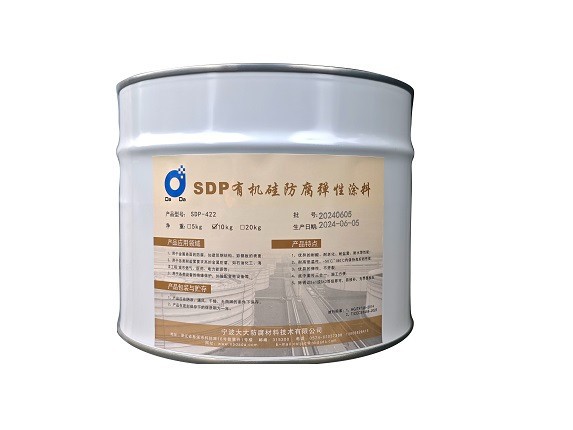
Another type is the Silicone Anti - corrosion Elastic Coating. Silicone - based coatings offer excellent flexibility and adhesion. They can adapt to the expansion and contraction of the steel bridge due to temperature changes and mechanical stress, ensuring that the coating remains intact and provides continuous protection. Moreover, silicone coatings have good weather resistance, which means they can resist the effects of ultraviolet radiation, rain, and wind over a long time.
Suitability of Anti - Corrosion Coatings for Steel Bridges
In general, anti - corrosion coatings for steel can be effectively used on steel bridges. However, several factors need to be considered to ensure the best performance.
Surface Preparation
Proper surface preparation is crucial for the adhesion and effectiveness of anti - corrosion coatings. The steel surface of the bridge must be cleaned thoroughly to remove rust, scale, oil, and other contaminants. This can be achieved through methods such as sandblasting, power tool cleaning, or chemical cleaning. A clean and rough surface provides a better bonding surface for the coating, enhancing its adhesion and long - term durability.

Coating Selection
The selection of the appropriate anti - corrosion coating depends on various factors, including the environmental conditions of the bridge location, the expected service life, and the budget. For steel bridges in coastal areas, coatings with high resistance to saltwater corrosion, such as epoxy - based coatings or zinc - rich primers, are often recommended. In industrial areas with high levels of air pollution, coatings with good chemical resistance are more suitable.
Application Method
The application method of the coating also affects its performance. Anti - corrosion coatings can be applied by brushing, spraying, or dipping. Spraying is the most common method for steel bridges because it can provide a uniform coating thickness and good coverage. However, proper spraying techniques and equipment are required to ensure that the coating is applied evenly and without defects.
Practical Application Cases
There are numerous successful cases of using anti - corrosion coatings on steel bridges around the world. For example, the Golden Gate Bridge in San Francisco, one of the most iconic steel bridges, has undergone several coating maintenance projects over the years. High - performance anti - corrosion coatings have been applied to protect the steel structure from the harsh coastal environment, including salt spray and high humidity. These coatings have effectively extended the service life of the bridge and maintained its structural safety.
Another example is the Akashi Kaikyo Bridge in Japan. This long - span suspension bridge is exposed to strong winds, high waves, and saltwater corrosion. Special anti - corrosion coatings with excellent weather resistance and mechanical properties have been used to protect the steel components. The coatings have withstood the test of time and environmental factors, ensuring the long - term stability of the bridge.
Conclusion
In conclusion, anti - corrosion coatings for steel can indeed be used on steel bridges, and they play a vital role in protecting the steel structure from corrosion and extending its service life. By considering factors such as surface preparation, coating selection, and application method, we can ensure that the coatings provide effective and long - lasting protection.
If you are involved in the construction, maintenance, or management of steel bridges and are looking for high - quality anti - corrosion coatings for steel, I encourage you to contact us for further discussion and procurement. We have a wide range of anti - corrosion coating products that can meet your specific requirements. Our professional team can also provide technical support and advice to help you make the best choice for your steel bridge projects.
References
- Kearns, R., & Scully, J. (2002). Corrosion of steel in concrete: Prevention, diagnosis, repair. John Wiley & Sons.
- Uhlig, H. H., & Revie, R. W. (2019). Corrosion and corrosion control: An introduction to corrosion science and engineering. John Wiley & Sons.
- ISO 12944 - 1:2017. Paints and varnishes -- Corrosion protection of steel structures by protective paint systems -- Part 1: General introduction.


