


Anti-corrosion coatings play a pivotal role in various industries, offering a shield against the detrimental effects of corrosion. As a leading supplier of anti-corrosion coatings, I have witnessed firsthand the numerous advantages these coatings bring to the table. In this blog, I will delve into the key benefits of anti-corrosion coatings and why they are an indispensable asset for businesses across the globe.
Protection Against Corrosion
The primary advantage of anti-corrosion coatings is their ability to protect metal surfaces from corrosion. Corrosion is a natural process that occurs when metals react with their environment, leading to the deterioration of the metal over time. This can result in structural damage, reduced functionality, and increased maintenance costs. Anti-corrosion coatings act as a barrier between the metal surface and the corrosive elements, preventing direct contact and slowing down the corrosion process.

For example, in the marine industry, ships and offshore structures are constantly exposed to saltwater, which is highly corrosive. Anti-corrosion coatings are applied to the hulls, decks, and other metal components of these vessels to protect them from the harsh marine environment. Without these coatings, the metal would quickly corrode, leading to leaks, structural failures, and potentially dangerous situations.
Extended Service Life
By protecting metal surfaces from corrosion, anti-corrosion coatings significantly extend the service life of equipment and structures. This means that businesses can get more use out of their assets before having to replace them, resulting in substantial cost savings. For instance, in the oil and gas industry, pipelines are a critical component of the infrastructure. These pipelines are often buried underground or submerged in water, where they are exposed to a variety of corrosive substances. Applying anti-corrosion coatings to these pipelines can prevent corrosion and extend their service life by several decades, reducing the need for frequent replacements and minimizing downtime.
Cost Savings
In addition to extending the service life of equipment and structures, anti-corrosion coatings also offer significant cost savings in terms of maintenance and repair. Corrosion can cause extensive damage to metal surfaces, requiring frequent repairs and replacements. This not only incurs high costs but also disrupts operations and reduces productivity. By using anti-corrosion coatings, businesses can minimize the need for maintenance and repairs, resulting in lower costs and increased efficiency.
For example, in the automotive industry, anti-corrosion coatings are applied to the body of cars to protect them from rust and corrosion. This reduces the likelihood of body damage and the need for costly repairs, making the cars more affordable to own and maintain in the long run.
Improved Aesthetics
Anti-corrosion coatings can also enhance the aesthetics of metal surfaces. Corrosion can cause metal to become discolored, pitted, and rough, which can detract from the appearance of equipment and structures. Anti-corrosion coatings can provide a smooth, uniform finish that not only protects the metal but also improves its visual appeal. This is particularly important in industries where appearance is a key factor, such as architecture, automotive, and consumer goods.
For instance, in the architecture industry, anti-corrosion coatings are used on building facades to protect them from the elements and maintain their appearance over time. These coatings can be customized to match the design and color scheme of the building, enhancing its overall aesthetic appeal.
Environmental Benefits
Anti-corrosion coatings can also have positive environmental impacts. By extending the service life of equipment and structures, these coatings reduce the need for frequent replacements, which in turn reduces the consumption of raw materials and energy. Additionally, anti-corrosion coatings can prevent the release of harmful substances into the environment, such as heavy metals and pollutants, which can be generated during the corrosion process.
For example, in the construction industry, anti-corrosion coatings are used on bridges and other infrastructure projects to protect them from corrosion and extend their service life. This reduces the need for new construction projects, which can have a significant environmental impact in terms of land use, energy consumption, and waste generation.
Types of Anti-Corrosion Coatings
There are several types of anti-corrosion coatings available on the market, each with its own unique properties and advantages. Some of the most common types of anti-corrosion coatings include:
- Epoxy Coatings: Epoxy coatings are known for their excellent adhesion, chemical resistance, and durability. They are commonly used in industrial applications, such as pipelines, tanks, and machinery, where they provide long-lasting protection against corrosion.
- Polyurethane Coatings: Polyurethane coatings offer good flexibility, abrasion resistance, and weatherability. They are often used in outdoor applications, such as bridges, buildings, and automotive parts, where they can withstand harsh environmental conditions.
- Zinc-Rich Coatings: Zinc-rich coatings contain a high percentage of zinc, which provides sacrificial protection to the metal surface. These coatings are commonly used in marine and industrial applications, where they offer excellent corrosion resistance in harsh environments.
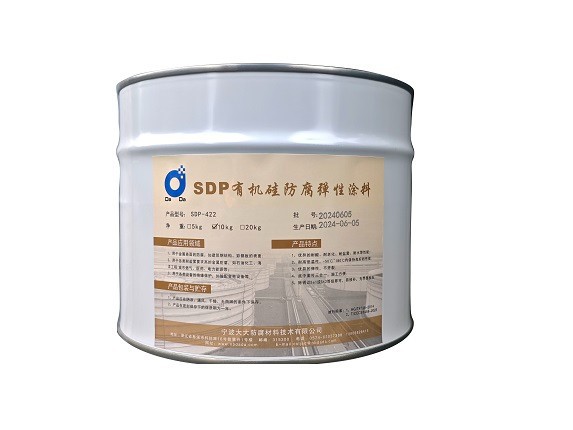
- Silicone Anti-corrosion Elastic Coating: Silicone anti-corrosion elastic coatings are designed to provide excellent flexibility and corrosion resistance. They are often used in applications where the metal surface is subject to movement or vibration, such as pipelines and tanks.
- High Temperature Corrosion Resistant Coatings: High temperature corrosion resistant coatings are formulated to withstand extreme temperatures and protect metal surfaces from corrosion in high-temperature environments. They are commonly used in industries such as aerospace, power generation, and petrochemicals.
Conclusion
In conclusion, anti-corrosion coatings offer a wide range of advantages, including protection against corrosion, extended service life, cost savings, improved aesthetics, and environmental benefits. As a supplier of anti-corrosion coatings, I am committed to providing high-quality products that meet the diverse needs of our customers. Whether you are in the marine, oil and gas, automotive, construction, or any other industry, our anti-corrosion coatings can help you protect your assets, reduce costs, and enhance the performance of your equipment and structures.
If you are interested in learning more about our anti-corrosion coatings or would like to discuss your specific requirements, please feel free to contact us. Our team of experts is always ready to assist you and provide you with the best solutions for your anti-corrosion needs.
References
- Fontana, M. G. (1986). Corrosion Engineering. McGraw-Hill.
- Uhlig, H. H., & Revie, R. W. (1985). Corrosion and Corrosion Control. Wiley.
- Schweitzer, P. A. (1998). Corrosion Resistance Tables. Marcel Dekker.


