


As a supplier of high temperature anti rust coatings, I often receive inquiries from various industries about the suitability of our products for their specific applications. One question that has emerged more frequently in recent times is whether high temperature anti rust coatings can be used on medical equipment. This blog post aims to explore this topic in detail, considering the unique requirements of medical equipment and the properties of high temperature anti rust coatings.
Understanding High Temperature Anti Rust Coatings
High temperature anti rust coatings are designed to protect metal surfaces from corrosion, oxidation, and other forms of damage in high - temperature environments. These coatings typically contain special polymers, pigments, and additives that can withstand extreme heat and provide a durable protective layer.
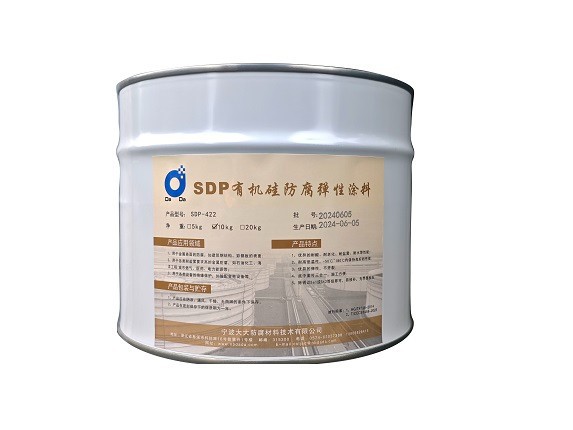
Our company offers a range of high temperature anti rust coatings, including Silicone Anti - corrosion Elastic Coating and High Temperature Corrosion Resistant Coatings. These coatings have excellent heat resistance, ranging from several hundred degrees Celsius to over a thousand degrees Celsius, depending on the specific product. They also offer good adhesion to metal substrates, which helps to prevent the coating from peeling or flaking off under high - temperature conditions.
Requirements for Medical Equipment
Medical equipment has very strict requirements in terms of safety, reliability, and biocompatibility. The materials used in medical equipment must be non - toxic, non - allergenic, and resistant to sterilization processes such as autoclaving, chemical disinfection, and radiation.
Safety is of utmost importance in medical applications. Any coating used on medical equipment should not release harmful substances that could pose a risk to patients or medical staff. For example, some traditional anti - rust coatings may contain heavy metals or volatile organic compounds (VOCs) that can be toxic if inhaled or absorbed through the skin.
Reliability is another key factor. Medical equipment often operates in critical situations, and any failure due to corrosion or coating degradation can have serious consequences. The coating should be able to maintain its protective properties over a long period of time, even under repeated sterilization and use.
Biocompatibility is essential. The coating should not cause any adverse reactions when in contact with living tissues. This means that it should not trigger an immune response, cause irritation, or interfere with the normal functioning of cells.
Compatibility of High Temperature Anti Rust Coatings with Medical Equipment
Advantages
One of the potential advantages of using high temperature anti rust coatings on medical equipment is their ability to protect against corrosion. Many medical devices are made of metal, and corrosion can not only affect the appearance of the equipment but also compromise its functionality. For example, corrosion in surgical instruments can lead to dull blades or malfunctioning joints. A high temperature anti rust coating can provide a barrier that prevents moisture, oxygen, and other corrosive agents from reaching the metal surface.
In addition, some high temperature anti rust coatings have good chemical resistance, which can be beneficial in medical settings where the equipment is exposed to various disinfectants and cleaning agents. This helps to ensure that the coating remains intact and continues to provide protection during the normal cleaning and sterilization processes.

Challenges
However, there are also several challenges associated with using high temperature anti rust coatings on medical equipment. As mentioned earlier, biocompatibility is a major concern. Most high temperature anti rust coatings are designed for industrial applications, and their biocompatibility has not been thoroughly tested in medical contexts. There is a risk that the coating may contain substances that are not suitable for contact with human tissues.
Another challenge is the high - temperature curing process required for some coatings. Medical equipment often has complex shapes and delicate components that may be damaged by the high temperatures needed to cure the coating. For example, electronic components in medical monitors or imaging devices may be sensitive to heat and could be destroyed during the coating process.
Furthermore, the sterilization methods used in the medical field, such as autoclaving at high pressures and temperatures, may affect the performance of the coating. The repeated thermal cycling and exposure to steam and pressure could cause the coating to delaminate or degrade over time.
Case Studies and Research
Although there is limited research specifically focused on the use of high temperature anti rust coatings on medical equipment, some studies have explored the use of coatings in related areas. For example, research on the use of coatings for dental implants has shown that certain types of anti - corrosion coatings can improve the longevity and performance of the implants. However, these coatings are specifically designed for the oral environment and may not be directly applicable to other types of medical equipment.
In industrial settings, high temperature anti rust coatings have been widely used on equipment in power plants, refineries, and aerospace applications. These applications have different requirements compared to medical equipment, but they do provide some insights into the performance and durability of the coatings under extreme conditions.
Evaluating the Feasibility
To determine whether a high temperature anti rust coating can be used on medical equipment, a comprehensive evaluation is needed. This should include:
Biocompatibility Testing
The coating should be tested in accordance with relevant medical standards and guidelines to ensure its biocompatibility. This may involve in - vitro tests using cell cultures to assess cytotoxicity, genotoxicity, and hemocompatibility, as well as in - vivo tests in animal models to evaluate the overall biological response.
Performance Testing
The coating's performance under sterilization conditions should be evaluated. This includes testing the coating's adhesion, hardness, and corrosion resistance after exposure to different sterilization methods such as autoclaving, ethylene oxide sterilization, and gamma radiation.
Compatibility with Equipment Components
The coating process should be optimized to ensure that it does not damage the delicate components of the medical equipment. This may require adjusting the curing temperature, using alternative coating methods, or protecting sensitive parts during the coating process.
Conclusion
In conclusion, the use of high temperature anti rust coatings on medical equipment is a complex issue that requires careful consideration. While these coatings offer potential benefits in terms of corrosion protection and chemical resistance, there are significant challenges related to biocompatibility, high - temperature curing, and compatibility with sterilization processes.
However, with proper research, testing, and development, it may be possible to develop high temperature anti rust coatings that meet the strict requirements of the medical industry. Our company is committed to exploring this possibility and is willing to work with medical device manufacturers to develop customized coating solutions.
If you are interested in learning more about our high temperature anti rust coatings and their potential applications in medical equipment, or if you have any specific requirements, please feel free to contact us for further discussion. We look forward to the opportunity to collaborate with you on finding the best coating solutions for your medical equipment needs.
References
- ASTM International. (Year). Standard test methods for evaluating the biocompatibility of medical devices.
- ISO 10993 series. (Year). Biological evaluation of medical devices.
- Research papers on high temperature anti rust coatings in industrial applications (list specific papers here if available).


