


Hey there! As a supplier of high temperature anti rust coating, I often get asked a bunch of questions. One that pops up quite a bit is, "Can high temperature anti rust coating be used on stainless steel?" Well, let's dig into this topic and find out.
First off, let's talk a bit about stainless steel. Stainless steel is known for its corrosion - resistant properties. It contains chromium, which forms a thin, invisible layer of chromium oxide on the surface. This layer acts as a shield, protecting the steel from rust and corrosion. But here's the thing, just because it's called "stainless" doesn't mean it's completely immune to all forms of corrosion.
In some harsh environments, stainless steel can still face issues. For example, in high - temperature settings, the protective chromium oxide layer can break down. High temperatures can accelerate chemical reactions, and if there are certain corrosive agents present in the environment, like sulfur compounds or chlorides, they can attack the steel. Also, mechanical damage to the surface can expose the underlying metal, making it vulnerable.
Now, let's look at high temperature anti rust coatings. These coatings are designed to withstand extreme heat while providing a protective barrier against rust and corrosion. They usually contain special polymers and pigments that can resist oxidation and other chemical reactions at high temperatures.
So, can we use high temperature anti rust coating on stainless steel? The answer is yes, and there are several good reasons for doing so.
Benefits of Using High Temperature Anti Rust Coating on Stainless Steel
Enhanced Protection
Even though stainless steel has some natural corrosion resistance, a high temperature anti rust coating can add an extra layer of protection. In industrial settings where stainless steel components are exposed to high temperatures and corrosive chemicals, the coating can prevent the breakdown of the chromium oxide layer and stop rust from forming. For example, in power plants or chemical processing facilities, the combination of high heat and aggressive chemicals can be tough on stainless steel. A good high temperature anti rust coating can significantly extend the lifespan of the stainless steel equipment.
Improved Aesthetics
Over time, stainless steel can develop a dull or discolored appearance, especially when exposed to high temperatures. A high temperature anti rust coating can give the stainless steel a fresh, clean look. It can also be customized to have different finishes, like a glossy or matte look, depending on the application and aesthetic requirements.
Resistance to Abrasion
In some applications, stainless steel parts may be subject to abrasion. The high temperature anti rust coating can act as a buffer, reducing the wear and tear on the stainless steel surface. This is particularly important in industries such as mining or manufacturing, where stainless steel components are in constant contact with other materials.
Types of High Temperature Anti Rust Coatings for Stainless Steel
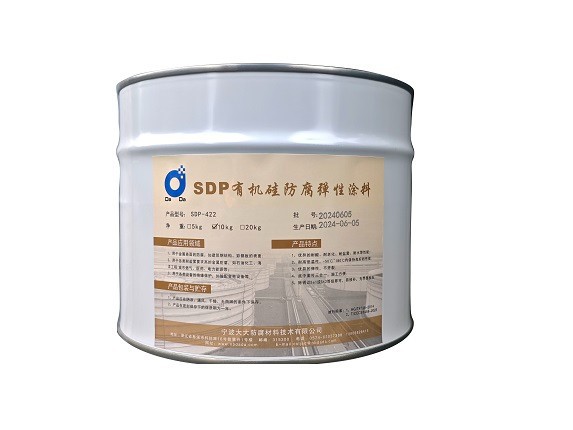
There are different types of high temperature anti rust coatings available on the market. One popular type is the Silicone Anti - corrosion Elastic Coating. This coating has excellent flexibility, which means it can expand and contract with the stainless steel as it heats up and cools down without cracking. It also has good resistance to chemicals and high temperatures, making it suitable for a wide range of applications.
Another option is the High Temperature Corrosion Resistant Coatings. These coatings are formulated to provide long - term protection against corrosion at high temperatures. They often contain advanced ceramic or metallic pigments that can form a strong, durable protective layer on the stainless steel surface.
Application Considerations
When applying high temperature anti rust coating on stainless steel, there are a few things to keep in mind.
Surface Preparation
Proper surface preparation is crucial for the coating to adhere well. The stainless steel surface should be clean, free of grease, dirt, and any existing rust or oxidation. Usually, it involves cleaning the surface with a suitable solvent, followed by sandblasting or abrasive cleaning to create a rough surface for better adhesion.
Coating Thickness
The thickness of the coating is also important. If the coating is too thin, it may not provide adequate protection. On the other hand, if it's too thick, it may crack or peel off during thermal cycling. The recommended coating thickness can vary depending on the type of coating and the application, so it's best to follow the manufacturer's instructions.
Curing Process
After applying the coating, it needs to go through a proper curing process. This usually involves heating the coated stainless steel to a specific temperature for a certain period of time. The curing process helps the coating to fully harden and develop its maximum protective properties.
Real - World Examples
Let's take a look at some real - world applications where high temperature anti rust coating is used on stainless steel.

Exhaust Systems
In automotive and industrial exhaust systems, stainless steel is commonly used due to its heat resistance. However, the high temperatures and corrosive gases in the exhaust can still cause damage over time. Applying a high temperature anti rust coating can protect the stainless steel exhaust pipes from rust and corrosion, ensuring better performance and longer service life.
Furnaces and Kilns
Stainless steel components in furnaces and kilns are exposed to extremely high temperatures. A high temperature anti rust coating can prevent the stainless steel from oxidizing and maintain its structural integrity. This is important for the safety and efficiency of the heating equipment.
Conclusion
In conclusion, high temperature anti rust coating can definitely be used on stainless steel, and it offers a lot of benefits. It provides enhanced protection, improves aesthetics, and increases the resistance to abrasion. Whether you're in an industrial setting or just looking to protect your stainless steel items at home, using a high temperature anti rust coating is a smart choice.
If you're interested in learning more about our high temperature anti rust coatings or have any questions about using them on stainless steel, feel free to reach out. We're here to help you find the best coating solution for your specific needs. Let's start a conversation and see how we can work together to protect your stainless steel components.
References
- ASTM International. "Standard Test Methods for Evaluating the Corrosion Resistance of Coatings on Metals." ASTM D1654.
- National Association of Corrosion Engineers (NACE). "Corrosion Basics: An Introduction." NACE International.
- Paint and Coatings Industry Magazine. "Advances in High Temperature Coatings for Industrial Applications." Various issues.


