


Hey there! As a supplier of anticorrosive elastic coatings, I often get asked, "Can I recoat the anticorrosive elastic coating?" Well, let's dive right into this topic and find out.
Why Recoating Might Be Necessary
First off, there are a few reasons why you might want to recoat your anticorrosive elastic coating. Over time, the coating can wear down due to environmental factors like UV rays, moisture, and temperature changes. If you've got a structure or equipment that's constantly exposed to harsh conditions, the coating will take a beating. For example, if it's on an outdoor pipeline or a marine vessel, the saltwater, waves, and constant exposure to the sun can really degrade the coating.
Another reason could be that the original coating was applied incorrectly in the first place. Maybe the surface wasn't properly prepared, or the coating wasn't mixed right. In such cases, the coating might not adhere well or provide the level of protection it's supposed to. And if you notice signs of corrosion starting to peek through, like rust spots or flaking, that's a clear indicator that it's time to think about recoating.
Assessing the Need for Recoating
Before you go ahead and start recoating, it's important to assess the condition of the existing coating. You can do a visual inspection to look for any obvious signs of damage, like cracks, blisters, or discoloration. If you see any of these, it's a good idea to dig a little deeper.
You can also do some simple adhesion tests. One way is to use a cross - hatch cutter to make a grid pattern on the coating and then apply adhesive tape over it. When you pull the tape off, if a lot of the coating comes off with it, that means the adhesion is poor and recoating might be necessary.
Another thing to consider is the age of the coating. Most anticorrosive elastic coatings have a recommended service life. If your coating is approaching or has exceeded that lifespan, it's probably time to think about a new coat.
Preparing for Recoating
Once you've decided that recoating is the way to go, the next step is to prepare the surface. This is crucial because if the surface isn't properly prepared, the new coating won't adhere well, and you'll end up with the same problems all over again.
The first thing you need to do is clean the surface. You can use a pressure washer to remove any dirt, debris, or loose coating. If there's any rust or corrosion, you'll need to use a wire brush or sandpaper to remove it. Make sure to get into all the nooks and crannies, especially around edges and joints.
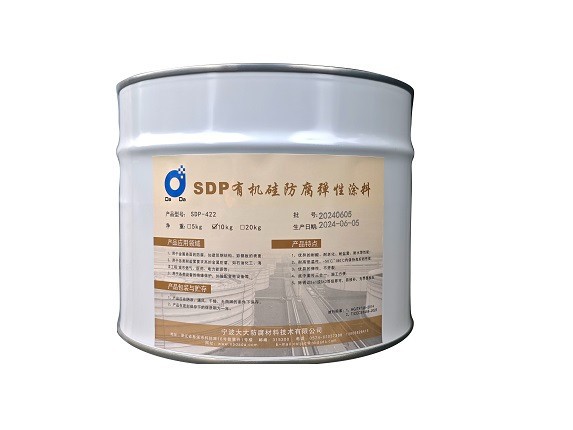
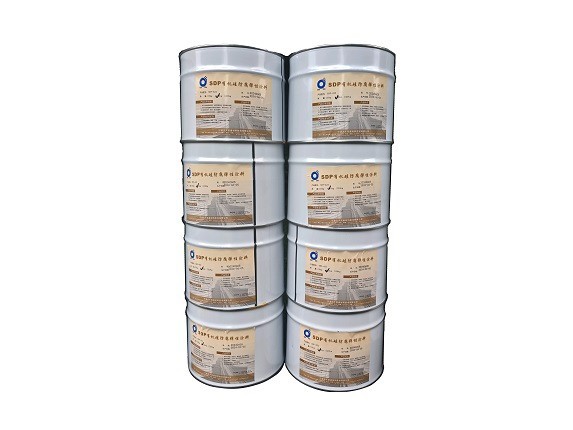
After cleaning, you might need to do some surface profiling. This involves creating a rough surface for the new coating to stick to. You can use sandblasting or abrasive blasting to achieve this. Just be careful not to over - blast, as that can damage the substrate.
Choosing the Right Coating
As a supplier, I know that choosing the right coating is super important. There are different types of anticorrosive elastic coatings available, each with its own set of properties and applications.
For high - temperature environments, you might want to consider High Temperature Corrosion Resistant Coatings. These coatings are designed to withstand extreme heat without losing their protective properties. They're great for industrial furnaces, exhaust systems, and other high - heat applications.
If you're dealing with a marine or chemical environment, Silicone Anti - corrosion Elastic Coating could be a good choice. Silicone coatings are known for their excellent resistance to water, chemicals, and UV rays. They're also very flexible, which means they can expand and contract with the substrate without cracking.
The Recoating Process
Once you've prepared the surface and chosen the right coating, it's time to start the recoating process. The application method will depend on the type of coating and the size of the area you're working on.
For small areas, you can use a brush or a roller. This gives you more control over the application and allows you to get into tight spaces. Make sure to apply the coating in thin, even layers, and follow the manufacturer's instructions regarding drying times between coats.
For larger areas, you might want to use a spray gun. This is a faster and more efficient way to apply the coating, but it requires more skill and experience. You'll need to make sure you have the right equipment and that you're using the correct pressure and spray pattern.
Post - Coating Inspection
After you've applied the new coating, it's important to do a post - coating inspection. Check for any drips, runs, or uneven areas. Make sure the coating has fully cured according to the manufacturer's instructions. You can do another adhesion test to make sure the new coating is sticking well.
If you notice any problems during the inspection, don't panic. You can usually fix minor issues by sanding down the affected area and reapplying a thin coat of paint. But if there are major problems, like poor adhesion or blistering, you might need to strip the coating and start over.
Conclusion and Call to Action
So, to answer the question, "Can I recoat the anticorrosive elastic coating?" The answer is yes, you can. But it's important to do it right. Assess the need for recoating, prepare the surface properly, choose the right coating, and follow the correct application and inspection procedures.
If you're in the market for high - quality anticorrosive elastic coatings or need more advice on recoating, don't hesitate to reach out. We're here to help you find the best solution for your corrosion protection needs. Whether you're a small business or a large industrial facility, we've got the products and expertise to keep your assets protected.
References
- Coatings Technology Handbook, Third Edition.
- Corrosion Prevention and Control in the Oil and Gas Industry.


