


In the world of industrial protection, anti - corrosion coatings play a crucial role in safeguarding various materials from the detrimental effects of corrosion. As a prominent supplier of Industrial Anti - Corrosion Coatings, I am frequently asked whether these coatings can be used on ceramic surfaces. This question not only reflects the growing interest in the versatility of industrial coatings but also highlights the need for a comprehensive understanding of the compatibility between coatings and different substrates.
Ceramics, known for their high melting points, excellent hardness, and chemical resistance, are widely used in many industrial applications such as in the manufacturing of heat exchangers, chemical reactors, and electrical insulators. The use of coatings on ceramic surfaces can potentially enhance their performance, add new functionalities, or even extend their lifespan. However, before applying industrial anti - corrosion coatings to ceramic surfaces, several factors need to be carefully considered.
Compatibility of Materials
The first and most important factor is the compatibility between the anti - corrosion coating and the ceramic material. Different ceramic compositions have unique physical and chemical properties. For example, alumina ceramics are highly resistant to abrasion and have good thermal stability, while zirconia ceramics offer excellent fracture toughness. The coating must be able to adhere well to the ceramic surface without causing any chemical reactions that could degrade either the coating or the ceramic.
Most industrial anti - corrosion coatings are designed for metallic substrates, where they form a protective barrier by bonding with the metal atoms through chemical or physical means. When it comes to ceramics, the bonding mechanism may be different. The surface energy of ceramics is generally lower than that of metals, which means that achieving a strong adhesion can be more challenging. Special surface treatments, such as sandblasting or chemical etching, may be required to increase the surface roughness and improve the wettability of the coating on the ceramic surface.

Chemical Resistance
Another critical aspect is the chemical resistance of the coating in the environment where the ceramic is used. Industrial settings often expose materials to a variety of corrosive substances, including acids, alkalis, and salts. The anti - corrosion coating should be able to withstand these chemicals without losing its protective properties.
Some High Temperature Corrosion Resistant Coatings are formulated with specific chemical compounds that can resist high - temperature oxidation and chemical attack. These coatings can be a good choice for ceramic surfaces used in high - temperature chemical processes. For instance, in a chemical plant where ceramic pipes are used to transport corrosive acids, a high - temperature corrosion - resistant coating can provide an extra layer of protection, preventing the acid from penetrating the ceramic and causing damage.
Thermal Expansion Mismatch
Thermal expansion is an important consideration when applying coatings to ceramic surfaces. Ceramics generally have a relatively low coefficient of thermal expansion compared to many metals and some organic coatings. When the temperature changes, the difference in the thermal expansion rates between the coating and the ceramic can cause stress at the interface.
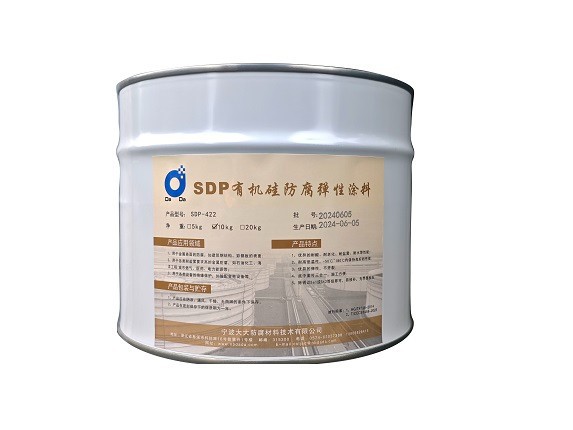
If this stress is not properly managed, it can lead to cracking, delamination, or spalling of the coating. To address this issue, coatings with a similar coefficient of thermal expansion to the ceramic should be selected. Additionally, some coatings are designed to be more flexible, allowing them to accommodate the thermal expansion and contraction of the ceramic without losing adhesion. Our Silicone Anti - corrosion Elastic Coating is a good example. The elastic nature of the silicone coating can help to absorb the stress caused by thermal expansion, ensuring long - term stability on ceramic surfaces.
Application Process
The application process also plays a significant role in determining the success of coating a ceramic surface. Unlike applying coatings on flat metallic surfaces, ceramic components may have complex shapes and geometries. This requires a more precise and careful application method to ensure uniform coverage.
Spraying is a commonly used method for applying anti - corrosion coatings. However, the spraying parameters, such as spray gun distance, pressure, and flow rate, need to be carefully adjusted to ensure a smooth and even coating on the ceramic surface. In some cases, dip - coating or brush - coating may be more suitable, especially for small - scale or irregularly shaped ceramic parts.
Case Studies
To illustrate the practical application of industrial anti - corrosion coatings on ceramic surfaces, let's look at a few case studies.
In a power generation plant, ceramic tiles are used as linings in the furnace to resist high temperatures. However, these tiles are still exposed to the corrosive gases produced during the combustion process. By applying a high - temperature corrosion - resistant coating on the ceramic tiles, the plant was able to significantly reduce the corrosion rate and extend the service life of the tiles. This not only saved maintenance costs but also improved the overall efficiency of the power generation process.
In the electronics industry, ceramic substrates are used for printed circuit boards. These substrates need to be protected from moisture and chemical contaminants. A silicone anti - corrosion elastic coating was applied to the ceramic substrates, providing excellent protection against environmental factors while maintaining the electrical properties of the circuits.
Potential Benefits
Using industrial anti - corrosion coatings on ceramic surfaces can bring several benefits. Firstly, it can improve the corrosion resistance of the ceramic, especially in harsh environments. This can reduce the frequency of replacement and maintenance, thus saving costs in the long run.
Secondly, coatings can add new functionalities to the ceramic surface. For example, some coatings have anti - static or hydrophobic properties, which can enhance the performance of the ceramic in specific applications.
Finally, coatings can improve the aesthetic appearance of the ceramic. In some consumer products, a smooth and shiny coating can make the ceramic more appealing to customers.
Conclusion
In conclusion, industrial anti - corrosion coatings can indeed be used on ceramic surfaces, but careful consideration must be given to factors such as material compatibility, chemical resistance, thermal expansion mismatch, and the application process. As a supplier of Industrial Anti - Corrosion Coatings, we have the expertise and a wide range of products to meet the diverse needs of coating ceramic surfaces.
If you are interested in exploring the application of our anti - corrosion coatings on your ceramic products, we invite you to contact us for further discussion and procurement negotiation. Our team of experts will be happy to provide you with professional advice and solutions tailored to your specific requirements.
References
- "Handbook of Ceramic Materials and Technology" by Jörg R. Groza and David W. Richerson.
- "Corrosion Science and Engineering" by Pierre R. Roberge.
- "Surface Engineering for Corrosion and Wear Resistance" by S. K. Chatterjee.


