


Geothermal systems have emerged as a sustainable and efficient source of energy, harnessing the Earth's natural heat to provide heating, cooling, and electricity generation. However, these systems are often exposed to harsh environments that can lead to corrosion, which can significantly reduce their lifespan and efficiency. Anti-corrosion coatings play a crucial role in protecting geothermal systems from the detrimental effects of corrosion. As a leading supplier of anti-corrosion coatings, we understand the unique challenges faced by geothermal systems and offer innovative solutions to safeguard their integrity.
Understanding Corrosion in Geothermal Systems
Corrosion in geothermal systems is a complex process influenced by various factors, including temperature, pressure, chemical composition of the geothermal fluid, and the presence of dissolved gases. Geothermal fluids can contain high concentrations of salts, acids, and other corrosive substances, which can accelerate the corrosion process. Additionally, the high temperatures and pressures in geothermal systems can further exacerbate the corrosion rate.
There are several types of corrosion that can occur in geothermal systems, including uniform corrosion, pitting corrosion, crevice corrosion, and stress corrosion cracking. Uniform corrosion is the most common type, where the entire surface of the metal is corroded at a relatively uniform rate. Pitting corrosion, on the other hand, occurs when small holes or pits form on the metal surface, leading to localized damage. Crevice corrosion occurs in narrow gaps or crevices, where the stagnant fluid can create a corrosive environment. Stress corrosion cracking is a combination of mechanical stress and corrosion, which can cause cracks to form and propagate in the metal.
How Anti-Corrosion Coatings Work
Anti-corrosion coatings act as a barrier between the metal surface and the corrosive environment, preventing direct contact and reducing the rate of corrosion. These coatings can be classified into several types, including organic coatings, inorganic coatings, and metallic coatings.
Organic coatings, such as epoxy, polyurethane, and acrylic coatings, are widely used in geothermal systems due to their excellent adhesion, flexibility, and chemical resistance. These coatings form a protective film on the metal surface, which acts as a physical barrier to prevent the penetration of corrosive substances. Organic coatings can also contain additives, such as pigments and inhibitors, which can enhance their anti-corrosion properties.
Inorganic coatings, such as ceramic and glass coatings, offer high-temperature resistance and excellent chemical stability. These coatings are typically applied using thermal spraying or chemical vapor deposition techniques, which create a dense and durable coating on the metal surface. Inorganic coatings are particularly suitable for applications where high temperatures and harsh chemical environments are present.
Metallic coatings, such as zinc and aluminum coatings, provide sacrificial protection to the underlying metal. These coatings are more electrochemically active than the base metal, so they corrode preferentially, protecting the metal from corrosion. Metallic coatings can be applied using hot-dip galvanizing, electroplating, or thermal spraying techniques.

Benefits of Using Anti-Corrosion Coatings in Geothermal Systems
The use of anti-corrosion coatings in geothermal systems offers several benefits, including:
- Extended lifespan: By protecting the metal components from corrosion, anti-corrosion coatings can significantly extend the lifespan of geothermal systems, reducing the need for frequent repairs and replacements.
- Improved efficiency: Corrosion can cause a decrease in the efficiency of geothermal systems by reducing the heat transfer rate and increasing the pressure drop. Anti-corrosion coatings can help maintain the performance of the system by preventing corrosion-related damage.
- Reduced maintenance costs: The use of anti-corrosion coatings can reduce the maintenance costs associated with geothermal systems by minimizing the need for inspections, repairs, and replacements.
- Enhanced safety: Corrosion can weaken the structural integrity of geothermal systems, posing a safety risk to personnel and the environment. Anti-corrosion coatings can help prevent corrosion-related failures and ensure the safe operation of the system.
Our Anti-Corrosion Coating Solutions
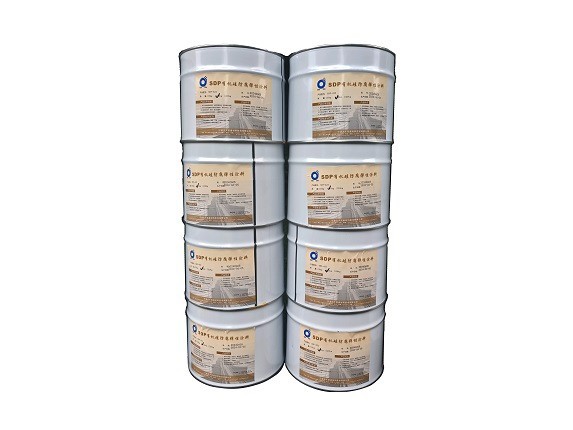
As a supplier of anti-corrosion coatings, we offer a wide range of products specifically designed for geothermal systems. Our coatings are formulated to provide excellent protection against corrosion in harsh geothermal environments, ensuring the long-term performance and reliability of the system.
One of our flagship products is the High Temperature Corrosion Resistant Coatings, which is designed to withstand high temperatures and aggressive chemical environments. This coating is based on advanced ceramic technology, which provides excellent thermal stability and chemical resistance. The High Temperature Corrosion Resistant Coatings can be applied to various metal substrates, including steel, stainless steel, and aluminum, and is suitable for use in geothermal power plants, heat exchangers, and other high-temperature applications.
Another product in our portfolio is the Silicone Anti-corrosion Elastic Coating, which offers excellent flexibility and adhesion. This coating is formulated with silicone resin, which provides excellent weather resistance and UV stability. The Silicone Anti-corrosion Elastic Coating can be applied to both interior and exterior surfaces of geothermal systems, providing long-lasting protection against corrosion and environmental damage.
Case Studies
To illustrate the effectiveness of our anti-corrosion coatings in geothermal systems, we would like to share a few case studies:
- Geothermal Power Plant: A geothermal power plant in a coastal area was experiencing severe corrosion issues in its heat exchangers due to the high salinity of the geothermal fluid. The plant installed our High Temperature Corrosion Resistant Coatings on the heat exchanger tubes, which significantly reduced the corrosion rate and improved the heat transfer efficiency. After several years of operation, the coated tubes showed minimal signs of corrosion, while the uncoated tubes required frequent replacements.
- Geothermal Heating System: A residential geothermal heating system was suffering from corrosion in its pipes and fittings, which was causing leaks and reduced efficiency. The system owner applied our Silicone Anti-corrosion Elastic Coating to the affected areas, which sealed the leaks and provided long-term protection against corrosion. Since then, the system has been operating smoothly, with no further corrosion-related issues.
Conclusion
Anti-corrosion coatings play a vital role in protecting geothermal systems from the damaging effects of corrosion. By acting as a barrier between the metal surface and the corrosive environment, these coatings can extend the lifespan, improve the efficiency, and reduce the maintenance costs of geothermal systems. As a leading supplier of anti-corrosion coatings, we are committed to providing innovative solutions that meet the specific needs of the geothermal industry.
If you are looking for high-quality anti-corrosion coatings for your geothermal system, we invite you to contact us for a consultation. Our team of experts will work with you to understand your requirements and recommend the most suitable coating solution for your application. We look forward to the opportunity to serve you and help you protect your geothermal investment.
References
- Jones, D. A. (1996). Principles and Prevention of Corrosion. Prentice Hall.
- Uhlig, H. H., & Revie, R. W. (1985). Corrosion and Corrosion Control: An Introduction to Corrosion Science and Engineering. Wiley.
- Fontana, M. G. (1986). Corrosion Engineering. McGraw-Hill.


