


As a supplier of high temperature anti rust coatings, I often encounter customers who are concerned about adjusting the viscosity of these specialized coatings. Viscosity is a crucial property that can significantly impact the application, performance, and overall quality of the coating. In this blog post, I will share some insights and practical tips on how to adjust the viscosity of high temperature anti rust coatings effectively.
Understanding Viscosity in High Temperature Anti Rust Coatings
Viscosity refers to a fluid's resistance to flow. In the context of high temperature anti rust coatings, the right viscosity ensures proper application, whether it's by spraying, brushing, or dipping. A coating that is too viscous may be difficult to apply evenly, leading to issues such as uneven coverage, thick build - up in some areas, and poor adhesion. On the other hand, a coating with too low viscosity may run off the surface, resulting in insufficient film thickness and reduced protection against high temperature and rust.
The viscosity of high temperature anti rust coatings is affected by several factors. Temperature plays a major role; generally, as the temperature increases, the viscosity of the coating decreases. The type and amount of solvents, resins, and additives in the coating formulation also influence viscosity. For example, coatings with a high resin content tend to be more viscous, while the addition of solvents can lower the viscosity.
Methods for Adjusting Viscosity
Solvent Addition
One of the most common methods for adjusting the viscosity of high temperature anti rust coatings is by adding solvents. Solvents are substances that can dissolve the resin and other components in the coating, reducing its viscosity. However, it's important to choose the right solvent for the specific coating formulation.
When adding solvents, start with small amounts and mix thoroughly. Test the viscosity after each addition using a viscosity cup or other appropriate measuring tools. Different solvents have different evaporation rates, which can also affect the drying time and final properties of the coating. For example, fast - evaporating solvents may cause the coating to dry too quickly, leading to surface defects, while slow - evaporating solvents may prolong the drying process.
It's crucial to follow the manufacturer's recommendations regarding solvent selection and the maximum amount of solvent that can be added. Over - thinning the coating with solvents can compromise its high temperature resistance, anti - rust properties, and adhesion.
Resin Modification
Another approach to adjusting viscosity is by modifying the resin in the coating. Resins are the binders that hold the coating together and provide its protective properties. Changing the type or molecular weight of the resin can alter the viscosity of the coating.
For instance, using a resin with a lower molecular weight can result in a less viscous coating. Some coatings may also allow for the addition of a compatible low - viscosity resin to reduce the overall viscosity. However, this method requires a good understanding of the coating chemistry and may need to be tested in a laboratory setting to ensure that the other performance properties of the coating are not negatively affected.
Temperature Control
As mentioned earlier, temperature has a significant impact on viscosity. Increasing the temperature of the coating can lower its viscosity, making it easier to apply. This can be achieved by heating the coating in a controlled environment, such as a heated storage tank or using a heated spray gun.
However, it's important to note that high temperature anti rust coatings are designed to withstand high temperatures during their service life, but they may have specific temperature limits during storage and application. Exceeding these limits can cause the coating to degrade, change its chemical properties, or even pose safety risks.

Tools for Measuring Viscosity
Accurately measuring the viscosity of high temperature anti rust coatings is essential for proper adjustment. There are several tools available for this purpose:
Viscosity Cups
Viscosity cups are simple and widely used tools for measuring the viscosity of coatings. They work by allowing the coating to flow through a calibrated orifice in the cup, and the time it takes for the coating to flow out is measured. Different types of viscosity cups are available, such as the Ford cup and the Zahn cup, each with its own calibration and application range.
Rotational Viscometers
Rotational viscometers are more precise instruments that measure the torque required to rotate a spindle immersed in the coating. They can provide a more accurate measurement of viscosity over a wider range of shear rates. These viscometers are often used in laboratory settings or for quality control purposes in coating manufacturing facilities.
Considerations for Different Application Methods
Spraying
When applying high temperature anti rust coatings by spraying, the viscosity needs to be carefully adjusted to ensure a smooth and even spray pattern. A coating that is too viscous may cause clogging in the spray gun, uneven atomization, and a rough finish. On the other hand, a coating that is too thin may result in over - spraying and a lack of coverage.
For spraying applications, it's recommended to use a viscosity range that is suitable for the specific spray equipment being used. Most spray gun manufacturers provide guidelines on the ideal viscosity for their equipment.
Brushing
When using a brush to apply the coating, a slightly higher viscosity may be acceptable compared to spraying. A more viscous coating can help prevent dripping and sagging during brushing. However, it should still be fluid enough to spread evenly on the surface without excessive resistance.
Dipping
In dipping applications, the coating needs to have a viscosity that allows it to adhere to the substrate without excessive dripping. The viscosity should be adjusted so that the coating forms a uniform film on the dipped object.
Importance of Viscosity in Coating Performance
Properly adjusting the viscosity of high temperature anti rust coatings is not just about ease of application; it also has a direct impact on the coating's performance.
A coating with the right viscosity will provide better adhesion to the substrate, ensuring long - term protection against high temperature and rust. It will also form a more uniform and consistent film, which is essential for achieving the desired level of corrosion resistance.
In addition, the right viscosity can improve the durability of the coating. A coating that is applied with the correct viscosity is less likely to crack, peel, or delaminate over time, even under harsh high - temperature conditions.
Conclusion
Adjusting the viscosity of high temperature anti rust coatings is a critical step in ensuring their proper application and performance. By understanding the factors that affect viscosity, using the right adjustment methods, and accurately measuring viscosity, you can achieve the best results.
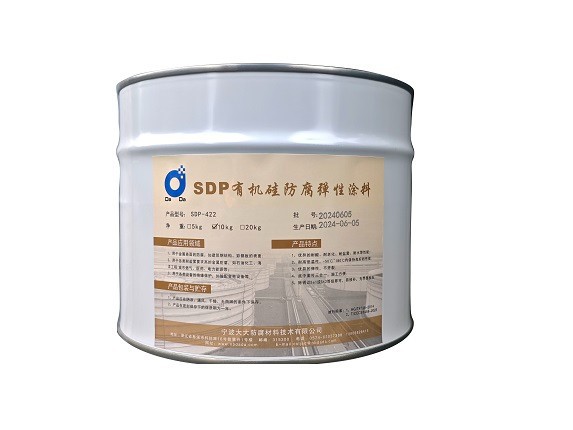
If you are in the market for high quality high temperature anti rust coatings, we are here to help. Our coatings are formulated to provide excellent protection against high temperatures and rust, and we can offer guidance on viscosity adjustment and other application - related issues. For more information about our High Temperature Corrosion Resistant Coatings and Silicone Anti - corrosion Elastic Coating, please feel free to contact us for a detailed discussion and procurement negotiation.
References
- Paint and Coating Testing Manual: Fourteenth Edition of the Gardner - Sward Handbook.
- Fundamentals of Paint and Coating Chemistry by Zeno W. Wicks Jr., Frank N. Jones, and S. Peter Pappas.
- High - Temperature Coatings: Science and Technology by P. Scott Grant.


