


Hey there! As a supplier of anti - corrosion paint for metal, I know how crucial it is to ensure the quality of our products. After all, our customers rely on us to provide them with paints that can effectively protect their metal structures from corrosion. So, in this blog, I'm gonna share with you some ways to test the quality of anti - corrosion paint for metal.
1. Visual Inspection
The first and easiest way to start the quality check is through a simple visual inspection. When the paint is freshly applied, take a close look at the finish. A high - quality anti - corrosion paint should have a smooth, even surface without any visible lumps, bubbles, or streaks. If you notice any of these defects, it could be a sign of poor mixing, improper application, or low - quality raw materials.
Also, check the color consistency. The paint should have a uniform color across the entire painted surface. Any color variations might indicate issues with the pigment dispersion or quality control during the manufacturing process.
2. Adhesion Test
One of the most important properties of anti - corrosion paint is its ability to adhere to the metal surface. If the paint doesn't stick well, it won't be able to provide long - term protection. There are a few ways to test adhesion.
The cross - hatch test is a common method. Use a sharp blade to make a series of parallel cuts about 1mm apart in the paint film, and then make another set of cuts perpendicular to the first ones, creating a grid pattern. After that, apply a piece of adhesive tape firmly over the grid and then pull it off quickly at a 90 - degree angle. If only a few small flakes of paint come off with the tape, the adhesion is good. But if large areas of paint are removed, it's a sign that the paint may not adhere well to the metal.
Another option is the pull - off test. This involves using a specialized tool to pull a small disk or stud that's bonded to the paint surface. The force required to pull the disk off gives an indication of the paint's adhesion strength.
3. Chemical Resistance Test
Anti - corrosion paints need to resist various chemicals that the metal may come into contact with. You can perform simple chemical resistance tests in a laboratory setting.

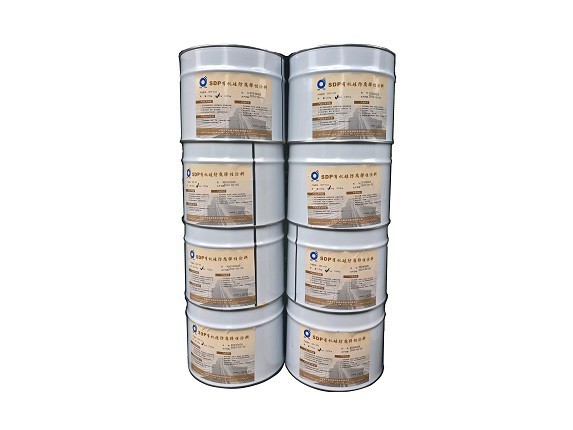
First, select some common chemicals that the metal might be exposed to, such as acids, alkalis, and solvents. Apply a small amount of each chemical to a painted metal sample and let it sit for a specific period, usually 24 hours. After that, rinse the sample with water and dry it. Then, check for any signs of damage, like discoloration, swelling, or softening of the paint.
For example, if the paint is going to be used in an industrial environment where it may encounter acidic fumes, test it with a diluted acid solution. A high - quality anti - corrosion paint should show minimal or no damage after the chemical exposure.
4. Salt Spray Test
The salt spray test is a widely used method to evaluate the corrosion resistance of anti - corrosion paints. This test simulates the harsh conditions that metal structures may face in coastal areas or other environments with high salt content.
In a salt spray chamber, a painted metal sample is placed, and a fine mist of saltwater (usually a 5% sodium chloride solution) is sprayed onto it continuously. The test usually runs for a specific number of hours, depending on the requirements. For example, some standards may require 500 hours or even 1000 hours of testing.
After the test is completed, examine the sample for signs of corrosion, such as rust spots or blistering. The less corrosion there is on the sample, the better the corrosion - resistant performance of the paint. You can also measure the area of corrosion and calculate the corrosion rate to get a more quantitative assessment.
5. Abrasion Resistance Test
In many applications, the painted metal surface may be subject to abrasion from friction, impact, or the movement of other objects. So, it's important to test the paint's abrasion resistance.
One way to do this is by using an abrasion tester. This machine rubs a specific abrasive material against the painted surface for a set number of cycles. After the test, measure the loss of paint thickness or the amount of paint that has been worn off. A good anti - corrosion paint should have a relatively low rate of wear under abrasion.
6. Weathering Test
Outdoor metal structures are exposed to various weather conditions, including sunlight, rain, and temperature changes. Weathering tests can help determine how well the paint will hold up over time.
There are two main types of weathering tests: natural weathering and accelerated weathering. Natural weathering involves exposing painted samples outdoors for an extended period, usually several months or even years. This gives a real - world indication of how the paint will perform.
Accelerated weathering, on the other hand, uses a weathering chamber to simulate different weather conditions in a shorter time. The chamber can control factors like temperature, humidity, and UV radiation. By exposing the painted samples to these accelerated conditions, you can get an idea of how the paint will age over a long period in a much shorter time frame.
7. Thermal Cycling Test
In some applications, the metal may experience significant temperature changes. For example, metal pipes in industrial processes or outdoor metal structures in regions with large temperature variations. A thermal cycling test can evaluate how the paint performs under these conditions.
The test involves subjecting the painted metal sample to repeated cycles of heating and cooling. For example, you can heat the sample to a high temperature (e.g., 80°C) for a certain period and then cool it down to a low temperature (e.g., - 20°C) for another period. After a set number of cycles, check the paint for any signs of cracking, delamination, or other damage.
High - Performance Coatings for Special Applications
If you're dealing with high - temperature environments, you might be interested in High Temperature Corrosion Resistant Coatings. These coatings are specifically designed to withstand extreme heat while still providing excellent corrosion protection.
And for applications where flexibility is important, Silicone Anti - corrosion Elastic Coating is a great option. It can adapt to the movement of the metal without cracking, ensuring long - term protection.
Conclusion
Testing the quality of anti - corrosion paint for metal is a comprehensive process that involves multiple aspects. By performing these tests, you can ensure that the paint you're using or supplying meets the required standards and can effectively protect metal structures from corrosion.
If you're in the market for high - quality anti - corrosion paint for metal, don't hesitate to reach out to us. We're here to provide you with the best products and solutions for your corrosion - protection needs. Whether you have a small project or a large - scale industrial application, we can work with you to find the right paint that meets your specific requirements. Let's have a chat and start the procurement process to get your metal structures well - protected!
References
- ASTM International. Standard test methods for evaluating the performance of protective coatings.
- ISO standards related to paint testing, such as ISO 12944 for corrosion protection of steel structures by protective paint systems.
- Technical literature from leading paint manufacturers on anti - corrosion paint testing and performance evaluation.


