


Hey there! As a supplier of anti rust paint, I often get asked a bunch of questions from customers. One of the most common ones is, "Is anti rust paint resistant to scratches?" Well, let's dig into this topic and find out the real deal.

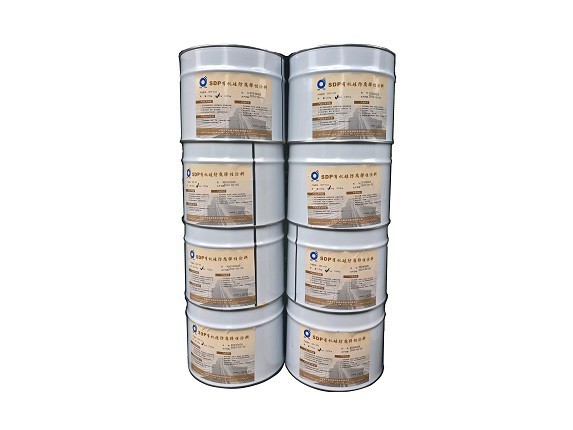
First off, we need to understand what anti rust paint is all about. Anti rust paint is designed to protect metal surfaces from corrosion. It forms a protective layer that acts as a barrier between the metal and the environment, preventing oxygen, moisture, and other corrosive elements from reaching the metal. This helps to extend the lifespan of the metal and keep it looking good for longer.
Now, let's talk about scratch resistance. Scratch resistance refers to the ability of a paint to withstand scratches and abrasions without losing its protective properties. In the case of anti rust paint, scratch resistance is crucial because if the paint gets scratched, the metal underneath is exposed to the elements, which can lead to corrosion.
So, is anti rust paint resistant to scratches? The answer is, it depends. There are different types of anti rust paint, and their scratch resistance can vary significantly. Some anti rust paints are formulated to be more scratch-resistant than others.
Factors Affecting Scratch Resistance
Type of Resin
The resin used in the anti rust paint plays a major role in determining its scratch resistance. For example, epoxy-based anti rust paints are generally known for their high scratch resistance. Epoxy resins form a tough, durable film that can withstand a fair amount of wear and tear. On the other hand, some acrylic-based anti rust paints may be less scratch-resistant. Acrylic resins are more flexible, which can be an advantage in some situations, but they may not offer the same level of scratch protection as epoxy resins.
Pigment and Filler Content
The pigments and fillers added to the anti rust paint can also affect its scratch resistance. Some pigments and fillers, such as mica or ceramic particles, can enhance the hardness and scratch resistance of the paint. These particles act as a reinforcement within the paint film, making it more resistant to scratches.
Application Thickness
The thickness of the anti rust paint coating is another important factor. A thicker coating generally provides better scratch resistance than a thinner one. However, it's important to apply the paint within the recommended thickness range specified by the manufacturer. Applying the paint too thickly can lead to other problems, such as cracking or peeling.
Testing Scratch Resistance
Manufacturers usually conduct various tests to determine the scratch resistance of their anti rust paints. One common test is the pencil hardness test. In this test, pencils of different hardness levels are used to scratch the paint surface. The hardness of the pencil that just starts to scratch the paint is recorded as the pencil hardness of the paint. A higher pencil hardness indicates better scratch resistance.
Another test is the Taber abrasion test. In this test, a rotating abrasive wheel is used to rub against the paint surface for a specified number of cycles. The amount of wear and damage to the paint is then measured. This test gives an indication of how well the paint can withstand abrasion over time.
Our Anti Rust Paint Offerings
At our company, we offer a range of anti rust paints with different levels of scratch resistance to meet the diverse needs of our customers. For applications where high scratch resistance is required, we recommend our High Temperature Corrosion Resistant Coatings. These coatings are formulated with high-quality epoxy resins and special pigments to provide excellent scratch resistance, even in harsh environments.
If you're looking for a more flexible option that still offers good anti-corrosion and scratch resistance, our Silicone Anti-corrosion Elastic Coating is a great choice. This coating can withstand some degree of movement and deformation without losing its protective properties.
Maintaining Scratch Resistance
Even if you choose an anti rust paint with high scratch resistance, it's still important to take proper care of the painted surface to maintain its scratch resistance. Avoid using abrasive cleaners or tools on the painted surface. If the surface gets dirty, use a mild soap and water solution to clean it. Also, be careful when handling objects near the painted surface to avoid accidental scratches.
Conclusion
In conclusion, while not all anti rust paints are equally resistant to scratches, there are options available that offer excellent scratch resistance. When choosing an anti rust paint, consider the specific requirements of your application, such as the level of wear and tear the surface will be exposed to. Our company is committed to providing high-quality anti rust paints that meet your needs. Whether you need a highly scratch-resistant coating for heavy-duty applications or a more flexible option for general use, we've got you covered.
If you're interested in learning more about our anti rust paint products or have any questions about scratch resistance, don't hesitate to reach out. We're here to help you make the right choice for your project. Let's start a conversation and see how we can work together to protect your metal surfaces.
References
- Paint Technology Handbook
- Corrosion Prevention and Protection Manual


