


As a supplier of High Temperature Anti Rust Coating, I've encountered numerous inquiries regarding the abrasion resistance of our product. This is a crucial aspect, especially when considering the harsh environments where high - temperature anti - rust coatings are often applied. In this blog, I'll explore the relationship between high - temperature anti - rust coatings and abrasion resistance, delving into the science behind it, the influencing factors, and real - world applications.
The Basics of High Temperature Anti Rust Coating
High Temperature Anti Rust Coating is designed to protect metal surfaces from corrosion at elevated temperatures. These coatings typically contain special pigments, binders, and additives that form a protective barrier on the metal surface. The barrier prevents oxygen, moisture, and other corrosive agents from reaching the metal, thus inhibiting the rusting process.
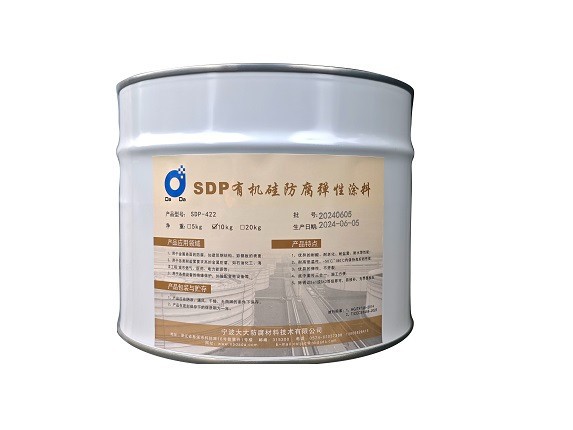
The binders in these coatings play a vital role. For instance, silicone - based binders are commonly used in high - temperature applications. Silicone has excellent heat resistance and can maintain its integrity at high temperatures. When combined with anti - rust pigments, it forms a durable coating that can withstand the rigors of high - temperature environments. You can learn more about Silicone Anti - corrosion Elastic Coating, which is a type of high - performance coating with similar properties.
Abrasion Resistance: What Does It Mean?
Abrasion resistance refers to a material's ability to withstand wear and tear caused by friction, rubbing, or scraping. In the context of high - temperature anti - rust coatings, abrasion resistance is essential because the coated surfaces may be exposed to mechanical forces during normal operation. For example, in industrial furnaces, pipes coated with high - temperature anti - rust coatings may be subject to the movement of materials, which can cause abrasion.
The abrasion resistance of a coating is typically measured using standardized tests. One common test is the Taber Abraser test, where a rotating wheel with an abrasive material is applied to the coated surface, and the amount of material removed after a certain number of rotations is measured. A coating with high abrasion resistance will show minimal material loss during this test.
Factors Affecting Abrasion Resistance of High Temperature Anti Rust Coating
Coating Composition
The composition of the coating has a significant impact on its abrasion resistance. As mentioned earlier, the binder is a key component. A strong and flexible binder can hold the pigments and additives together, providing a cohesive and durable coating. For example, some high - temperature anti - rust coatings use epoxy - based binders, which offer good adhesion and abrasion resistance at moderate temperatures.
The type and concentration of pigments also matter. Hard pigments, such as aluminum oxide or silicon carbide, can enhance the abrasion resistance of the coating. These pigments act as a shield, protecting the binder and the underlying metal from abrasion.
Coating Thickness
The thickness of the coating is another important factor. Generally, a thicker coating provides better abrasion resistance. However, there is a limit to how thick the coating can be applied. If the coating is too thick, it may crack or peel due to internal stresses, especially during thermal cycling. Therefore, finding the optimal coating thickness is crucial for achieving both good abrasion resistance and long - term durability.
Surface Preparation
Proper surface preparation is essential for ensuring good adhesion and abrasion resistance of the coating. The metal surface should be clean, free of rust, oil, and other contaminants. Surface roughness can also affect the coating's performance. A slightly rough surface provides better mechanical interlocking between the coating and the metal, improving adhesion and abrasion resistance.
Real - World Applications and Abrasion Resistance
High - temperature anti - rust coatings are used in a wide range of industries, each with its own abrasion challenges.
Power Generation
In power plants, boilers and pipes are often coated with high - temperature anti - rust coatings. These components are exposed to high temperatures and the flow of steam and water, which can cause abrasion. A coating with good abrasion resistance can ensure the long - term protection of these critical components, reducing maintenance costs and downtime.
Automotive Industry
In the automotive industry, high - temperature anti - rust coatings are used on exhaust systems. The exhaust pipes are subject to high temperatures and the movement of exhaust gases, which can cause abrasion. A durable and abrasion - resistant coating can prevent rusting and extend the lifespan of the exhaust system.
Aerospace
In the aerospace industry, high - temperature anti - rust coatings are used on engine components. These components operate under extreme conditions, including high temperatures and high - speed airflow, which can cause abrasion. Abrasion - resistant coatings are essential for maintaining the performance and safety of these components.
Testing and Validation
To ensure the abrasion resistance of our high - temperature anti - rust coatings, we conduct a series of tests. In addition to the Taber Abraser test, we also perform field tests in real - world environments. These tests allow us to evaluate the coating's performance under actual operating conditions.
We also work closely with our customers to gather feedback on the coating's performance. This feedback helps us to continuously improve our products and develop coatings that meet the specific needs of different industries.

Conclusion
In conclusion, high - temperature anti - rust coatings can be resistant to abrasion, but it depends on several factors, including coating composition, thickness, and surface preparation. By carefully selecting the right coating and ensuring proper application, we can achieve excellent abrasion resistance in a variety of high - temperature applications.
If you're interested in our High Temperature Anti Rust Coating and want to discuss your specific requirements, please feel free to contact us. We're committed to providing high - quality products and solutions to meet your needs. You can also explore our High Temperature Corrosion Resistant Coatings for more options.
References
- ASTM International. Standard Test Methods for Abrasion Resistance of Organic Coatings by the Taber Abraser.
- Paint and Coatings Industry Handbook. McGraw - Hill Professional.
- Journal of Protective Coatings & Linings. Articles on high - temperature coating performance and abrasion resistance.


