


Hey there! As a supplier of anti - corrosion coatings, I've seen firsthand how these coatings play a crucial role in protecting various materials from the damaging effects of corrosion. In this blog, I'll share some of the common application methods of anti - corrosion coatings.
Surface Preparation
Before applying any anti - corrosion coating, proper surface preparation is a must. This step is super important as it ensures good adhesion of the coating to the substrate.
The first thing to do is cleaning. You gotta get rid of all the dirt, oil, grease, and loose rust from the surface. This can be done in several ways. For small - scale projects, you can use a simple solvent cleaning method. Just soak a rag in a suitable solvent like acetone or mineral spirits and wipe down the surface. It'll dissolve the oil and grease and leave the surface clean.
For larger areas or more stubborn contaminants, abrasive blasting is a great option. You can use sand, steel grit, or other abrasive materials to blast the surface. This not only removes the dirt and rust but also creates a rough surface profile, which helps the coating adhere better.
After cleaning, you might need to do some surface profiling. For example, using a power tool to create small scratches or a specific roughness on the surface. This gives the coating something to 'grab onto'. And don't forget to prime the surface. A good primer will provide an extra layer of protection and improve the overall performance of the anti - corrosion coating.
Brushing
Brushing is one of the oldest and most straightforward application methods. It's great for small - scale jobs, touch - ups, or areas that are hard to reach with other tools.
When using a brush, you need to choose the right one. A high - quality brush with natural or synthetic bristles is recommended. The size of the brush depends on the area you're coating. For small details, a small - sized brush is better, while for larger areas, a wider brush will save you time.
To apply the coating with a brush, dip the brush into the coating material, making sure not to overload it. Then, start applying the coating in smooth, even strokes. Work in small sections at a time to ensure consistent coverage. Try to keep the brush strokes in one direction to avoid creating uneven patches.
One of the advantages of brushing is that you have a lot of control over where the coating goes. But it can be time - consuming, and if you're not careful, you might end up with brush marks on the surface.
Spraying
Spraying is a popular method, especially for large - scale projects. There are different types of spraying techniques, such as air - spraying, airless spraying, and electrostatic spraying.
Air - Spraying: This method uses compressed air to atomize the coating material into small droplets and spray it onto the surface. It gives a smooth and even finish. The key is to adjust the air pressure and the flow rate of the coating properly. You also need to keep the spray gun at the right distance from the surface, usually around 6 - 8 inches. Move the spray gun in a steady, parallel motion to ensure uniform coverage.
Airless Spraying: In airless spraying, the coating is forced through a small orifice at high pressure without the use of compressed air. This allows for a higher application rate and can handle thicker coatings. It's great for applying coatings on large, flat surfaces. However, it can be a bit messy, and you need to be careful with the overspray.
Electrostatic Spraying: This is a more advanced technique. The coating particles are given an electrostatic charge, which causes them to be attracted to the grounded surface. This results in better coverage, less overspray, and a more efficient use of the coating material. It's often used in industrial applications where a high - quality finish is required.
Dipping
Dipping is a simple and cost - effective method, especially for small parts. You just dip the part into a tank filled with the anti - corrosion coating.
The part needs to be completely submerged in the coating for a certain period to ensure full coverage. After dipping, you take the part out and let the excess coating drip off. Then, it can be left to dry.
One of the benefits of dipping is that it can provide a uniform coating on all sides of the part. But it might not be suitable for large or complex - shaped objects. And you need to make sure the coating in the tank is well - mixed to avoid inconsistent results.
Roller Application
Roller application is another option, commonly used for flat or slightly curved surfaces. It's similar to brushing in some ways but can cover larger areas more quickly.
You need to choose a roller with the right nap length. A shorter nap is good for smooth surfaces, while a longer nap can handle rougher surfaces. Dip the roller into the coating, roll it on a tray to remove the excess, and then start rolling the coating onto the surface in a back - and - forth motion.
Roller application can give a fairly smooth finish, but you might need to be careful about air bubbles. If you see any bubbles, you can gently roll over them to pop them.
Specialized Coatings and Their Application
There are some specialized anti - corrosion coatings that require specific application methods.
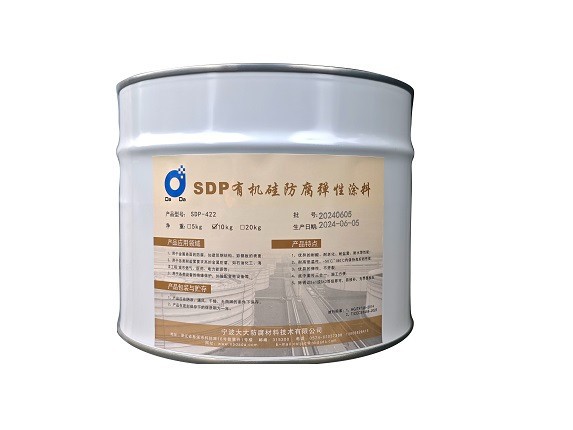
Silicone Anti - corrosion Elastic Coating: This type of coating offers excellent elasticity and weather resistance. You can find more information about it Silicone Anti - corrosion Elastic Coating. When applying this coating, it's important to follow the manufacturer's instructions carefully. Usually, it can be applied by spraying or brushing. Due to its elastic nature, it can conform to the shape of the substrate and provide long - term protection.
High Temperature Corrosion Resistant Coatings: These coatings are designed to withstand high temperatures. You can learn more about them High Temperature Corrosion Resistant Coatings. Their application often requires precise temperature and humidity control during the process. They are typically applied using spraying methods to ensure an even and thick enough layer for high - temperature protection.
Why Choose Our Anti - corrosion Coatings
Our anti - corrosion coatings are of the highest quality. We've spent years perfecting our formulas to provide the best protection against corrosion. Whether you need a coating for a small DIY project or a large industrial application, we've got you covered.
Our coatings are easy to apply, and we offer detailed application guides to help you get the best results. We also have a team of experts who can answer any questions you might have about the application process.

Contact Us for Procurement
If you're interested in our anti - corrosion coatings, we'd love to hear from you. Whether you're looking for a specific type of coating or need advice on the best application method for your project, feel free to reach out. Start a conversation with us to discuss your requirements and get a quote. We're here to help you protect your materials from corrosion effectively.
References
- "Handbook of Corrosion Protection Coatings" by John Wiley & Sons
- "Corrosion Science and Engineering" textbooks for general corrosion and coating knowledge.


