


Storage Conditions for Opened Industrial Anti - Corrosion Coatings
As a trusted supplier of industrial anti - corrosion coatings, I understand the importance of proper storage for these products, especially after they have been opened. Industrial anti - corrosion coatings are designed to protect various surfaces from corrosion, which can be caused by environmental factors, chemicals, and other corrosive agents. However, once a coating is opened, its properties can change if not stored correctly, leading to a decrease in performance and potentially costly rework.
General Considerations for Storage
The first and most crucial factor in storing opened industrial anti - corrosion coatings is temperature. Most coatings have a recommended temperature range for storage. Generally, the ideal temperature for storing opened coatings is between 5°C and 30°C (41°F and 86°F). Temperatures below this range can cause the coating to thicken or even freeze, which can damage the coating's structure and make it difficult to apply. On the other hand, high temperatures can accelerate the chemical reactions within the coating, leading to premature curing or a change in the coating's viscosity.
For example, some epoxy - based anti - corrosion coatings may start to cure at temperatures above 35°C (95°F). Once the curing process begins, the coating becomes less effective as a protective layer and may not adhere properly to the surface. Therefore, it is essential to store opened coatings in a temperature - controlled environment, such as a storage room with proper insulation and climate control.
Humidity is another important consideration. High humidity can introduce moisture into the coating, which can cause issues such as blistering, poor adhesion, and a decrease in the coating's corrosion resistance. It is recommended to store opened coatings in an environment with a relative humidity of less than 70%. If possible, use a dehumidifier in the storage area to maintain the appropriate humidity level.
Storage Containers
The choice of storage container is also critical. After opening a coating, it should be transferred to a clean, airtight container. This helps to prevent air, moisture, and dust from entering the coating, which can all affect its quality. Metal containers are often preferred for storing industrial anti - corrosion coatings because they are durable and can provide a good seal. However, make sure the metal container is compatible with the coating. Some coatings may react with certain metals, so it is important to check the coating manufacturer's recommendations.
If the original container is still in good condition, it can also be used for storage. Make sure to clean the container thoroughly before resealing it. Remove any excess coating from the rim and lid to ensure a tight seal. Label the container clearly with the coating name, date of opening, and any other relevant information. This helps to keep track of the coating's age and usage history.
Specific Coatings and Their Storage Requirements
Silicone Anti - corrosion Elastic Coating
Silicone anti - corrosion elastic coatings are known for their excellent flexibility, weather resistance, and corrosion protection. When it comes to storing opened Silicone Anti - corrosion Elastic Coating, it is important to keep them away from direct sunlight. Sunlight can cause the silicone polymers in the coating to break down, reducing its elasticity and corrosion resistance.

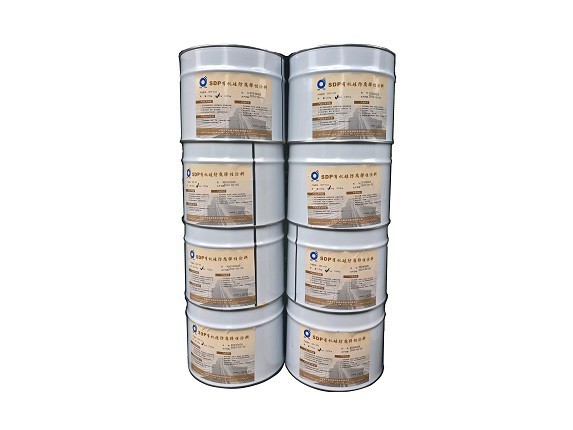
These coatings should be stored in a cool, dry place. If the coating is exposed to high temperatures for an extended period, it may become sticky or lose its ability to form a proper film. Additionally, silicone coatings can absorb moisture from the air, so maintaining a low - humidity environment is crucial.
High Temperature Corrosion Resistant Coatings
High Temperature Corrosion Resistant Coatings are designed to withstand extreme heat and protect surfaces from corrosion at high temperatures. After opening, these coatings need to be stored carefully to maintain their high - temperature performance.
It is important to store high - temperature coatings in a stable environment. Fluctuations in temperature can cause the coating to expand and contract, which may lead to cracking or delamination. Keep the coating away from heat sources such as furnaces or heaters. Also, ensure that the storage area is well - ventilated to prevent the buildup of any fumes or volatile organic compounds (VOCs) that may be released from the coating.
Monitoring and Maintenance of Stored Coatings
Regular monitoring of stored opened coatings is necessary to ensure their quality. Check the coating's viscosity, appearance, and smell periodically. If the coating has thickened significantly, it may be a sign that it is starting to cure prematurely. A change in color or the presence of clumps may indicate that the coating has been contaminated or has undergone a chemical reaction.
If any signs of deterioration are detected, it is important to assess whether the coating is still suitable for use. In some cases, the coating may be still usable with some adjustments, such as thinning with an appropriate solvent. However, if the coating has completely dried or hardened, it should be discarded safely in accordance with local regulations.
Importance of Proper Storage
Proper storage of opened industrial anti - corrosion coatings is not only important for maintaining the quality of the coating but also for ensuring the safety and effectiveness of the corrosion protection system. Using a deteriorated coating can lead to premature failure of the coating system, which can result in increased maintenance costs, downtime, and potential safety hazards.
For example, in a chemical processing plant, a failed anti - corrosion coating on a storage tank can lead to the leakage of corrosive chemicals, which can pose a serious threat to the environment and the health of workers. By storing opened coatings correctly, we can help our customers avoid these costly and dangerous situations.
Conclusion
In conclusion, the storage of opened industrial anti - corrosion coatings requires careful attention to temperature, humidity, storage containers, and the specific requirements of each type of coating. As a supplier, we are committed to providing our customers with the best - quality products and the necessary knowledge to ensure their proper use and storage.
If you are in need of industrial anti - corrosion coatings or have any questions about their storage or application, please feel free to contact us. We are here to assist you with all your corrosion protection needs and look forward to the opportunity to discuss your projects and provide you with tailored solutions.
References
- Parsons, J. R. (2005). Corrosion Engineering. CRC Press.
- Uhlig, H. H., & Revie, R. W. (2019). Corrosion and Corrosion Control: An Introduction to Corrosion Science and Engineering. Wiley.


