


Hey there! As a supplier of anti-corrosion paint for metal, I often get asked about the abrasion resistance of these paints. So, I thought I'd take a moment to break it down for you.
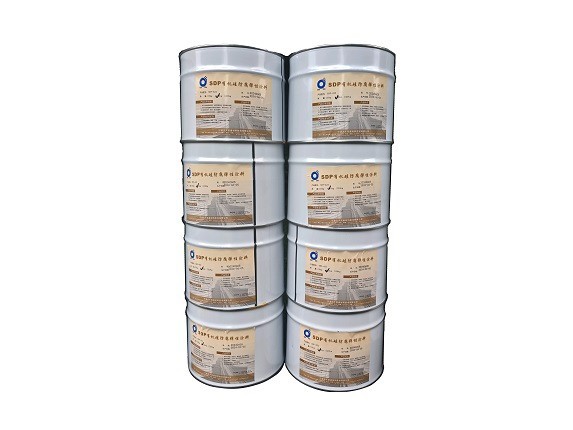

Let's start by understanding what abrasion resistance actually means. In simple terms, it's the ability of a paint coating to withstand wear and tear caused by friction, scraping, or rubbing. When it comes to metal surfaces, especially those in industrial settings or exposed to harsh environments, abrasion resistance is super important. A paint with good abrasion resistance can protect the metal from physical damage, which in turn helps prevent corrosion.
Factors Affecting Abrasion Resistance
There are several factors that can influence the abrasion resistance of anti-corrosion paint for metal.
Type of Resin
The resin is the backbone of the paint. Different resins have different properties, and some are more abrasion-resistant than others. For example, epoxy resins are known for their excellent abrasion resistance. They form a tough, durable film that can take a beating. On the other hand, acrylic resins are more flexible but may not be as abrasion-resistant as epoxy in some cases.
Pigments and Fillers
Pigments and fillers can also play a role in abrasion resistance. Hard pigments like silica or aluminum oxide can enhance the paint's ability to resist abrasion. They act like tiny armor plates in the paint film, providing an extra layer of protection. However, using too many pigments or the wrong type can also affect the paint's other properties, like its adhesion or flexibility.
Crosslinking
Crosslinking is the process where the resin molecules bond together to form a three-dimensional network. The more crosslinked the paint is, the more resistant it is to abrasion. High levels of crosslinking can be achieved through proper curing processes, which often involve heat or chemical reactions.
Surface Preparation
This is a crucial factor that's often overlooked. If the metal surface isn't properly prepared before painting, the paint may not adhere well, which can lead to premature wear and reduced abrasion resistance. The surface should be clean, free of rust, oil, and other contaminants. Sandblasting or grinding are common methods used to prepare the surface and create a rough texture that helps the paint stick better.
Measuring Abrasion Resistance
There are several ways to measure the abrasion resistance of anti-corrosion paint for metal. One common method is the Taber Abraser test. In this test, a sample of the painted metal is subjected to a rotating abrasive wheel under a specific load. The amount of material removed after a certain number of rotations is measured, and this gives an indication of the paint's abrasion resistance.
Another method is the Falling Sand test. In this test, sand is dropped onto the painted surface from a certain height, and the time it takes for the paint to wear through is measured.
Our Products and Their Abrasion Resistance
At our company, we offer a range of anti-corrosion paints for metal with excellent abrasion resistance. Our High Temperature Corrosion Resistant Coatings are specially formulated to withstand high temperatures and physical abrasion. They're ideal for applications in industries like power generation, petrochemical, and steel manufacturing, where metal surfaces are exposed to extreme conditions.
Our Silicone Anti-corrosion Elastic Coating is another great option. It combines good abrasion resistance with flexibility, making it suitable for metal surfaces that may experience some movement or vibration. This coating is often used in marine applications, bridges, and outdoor structures.
Benefits of High Abrasion Resistance
Having a paint with high abrasion resistance offers several benefits. Firstly, it extends the lifespan of the metal. By protecting the metal from physical damage, it reduces the risk of corrosion, which can save you a lot of money in the long run. You won't have to replace or repair the metal as often.
Secondly, it improves the appearance of the metal. A paint that resists abrasion will keep its color and finish for longer, making the metal look better. This is especially important for applications where aesthetics matter, like architectural structures or consumer products.
How to Choose the Right Paint
When choosing an anti-corrosion paint for metal with good abrasion resistance, you need to consider the specific requirements of your application. Think about the environment the metal will be in, the level of abrasion it will be exposed to, and any other factors like temperature, humidity, or chemical exposure.
If you're not sure which paint is right for you, don't hesitate to reach out to us. We have a team of experts who can help you select the best product based on your needs.
Conclusion
In conclusion, the abrasion resistance of anti-corrosion paint for metal is a complex but important property. It's influenced by several factors, including the type of resin, pigments, crosslinking, and surface preparation. Measuring abrasion resistance can be done through various tests, and there are different methods to improve it.
At our company, we're committed to providing high-quality anti-corrosion paints with excellent abrasion resistance. Whether you need a paint for industrial applications or a more aesthetically pleasing coating for your metal products, we have the solution for you.
If you're interested in learning more about our products or have any questions about abrasion resistance, feel free to contact us. We're always happy to have a chat and discuss your requirements. Let's work together to protect your metal surfaces and ensure they last for years to come.
References
- ASTM International. (Year). Standard Test Methods for Abrasion Resistance of Organic Coatings by the Taber Abraser.
- ISO. (Year). International Standard for Falling Sand Abrasion Test.


