


As a seasoned supplier of anti - corrosion primers, I've witnessed firsthand the critical role these products play in safeguarding various structures and equipment from the detrimental effects of corrosion. In this blog, I'll delve into the best application methods for anti - corrosion primers, sharing insights based on years of experience in the industry.
Understanding Anti - Corrosion Primers
Before discussing the application methods, it's essential to understand what anti - corrosion primers are. These primers are specifically formulated to create a protective barrier between the substrate and the corrosive environment. They can be based on different chemistries such as epoxy, polyurethane, and alkyd, each with its own set of properties and advantages. Epoxy primers, for example, offer excellent adhesion and chemical resistance, making them suitable for harsh industrial environments. Polyurethane primers, on the other hand, provide good flexibility and weather resistance, ideal for outdoor applications.

Surface Preparation
The first and most crucial step in the application of anti - corrosion primers is surface preparation. A poorly prepared surface can lead to poor adhesion of the primer, which in turn reduces its anti - corrosion effectiveness. The surface should be clean, dry, and free from any contaminants such as rust, oil, grease, and old paint.
- Mechanical Cleaning: For metal substrates, abrasive blasting is one of the most effective mechanical cleaning methods. It involves propelling abrasive materials such as sand, steel shot, or grit against the surface at high velocity. This not only removes rust and scale but also creates a rough surface profile that enhances the adhesion of the primer. Hand tools like wire brushes and scrapers can also be used for light cleaning or in areas where blasting is not feasible.
- Chemical Cleaning: Chemical cleaners can be used to remove oil, grease, and other organic contaminants. Solvent - based cleaners are effective for this purpose, but they should be used with caution due to their flammable and toxic nature. Water - based cleaners are a more environmentally friendly alternative. After chemical cleaning, the surface should be thoroughly rinsed with clean water and allowed to dry completely.
Application Techniques
Once the surface is properly prepared, it's time to apply the anti - corrosion primer. There are several application techniques available, each with its own advantages and limitations.
-
Brush Application: Brush application is a simple and cost - effective method, especially for small areas or detailed work. It allows for precise control over the amount of primer applied and can ensure good penetration into crevices and corners. However, it is a labor - intensive process and may result in brush marks on the surface. When using a brush, it's important to use the right type of brush for the primer. For example, natural bristle brushes are suitable for oil - based primers, while synthetic bristle brushes are better for water - based primers.
-
Roller Application: Roller application is faster than brush application and can cover larger areas more efficiently. It is suitable for flat or slightly curved surfaces. There are different types of rollers available, such as foam rollers and nap rollers. Foam rollers are good for smooth surfaces, while nap rollers can hold more primer and are better for textured surfaces. When rolling, it's important to apply the primer in a thin, even coat to avoid drips and uneven coverage.
-
Spray Application: Spray application is the most common method for large - scale projects. It provides a uniform and smooth finish, and can cover a large area in a short time. There are two main types of spray application: air - spray and airless - spray.
- Air - Spray: Air - spray uses compressed air to atomize the primer into small droplets. It allows for precise control over the spray pattern and is suitable for detailed work. However, it has a relatively low transfer efficiency, which means that a significant amount of primer may be lost to the environment.
- Airless - Spray: Airless - spray pumps the primer at high pressure through a small nozzle, creating a fine mist. It has a higher transfer efficiency than air - spray and can cover large areas quickly. However, it requires more skill to operate and may produce a coarser finish compared to air - spray.
Factors Affecting Application
Several factors can affect the application of anti - corrosion primers and the performance of the final coating.
- Environmental Conditions: Temperature, humidity, and wind can all have a significant impact on the application process. Most anti - corrosion primers have a recommended temperature range for application, usually between 10°C and 35°C. Applying the primer outside this range can lead to poor drying, adhesion problems, or a change in the coating's properties. High humidity can also cause problems such as blistering or slow drying. Wind can cause overspray and uneven application, so it's important to choose a calm day or use appropriate wind - protection measures.
- Primer Viscosity: The viscosity of the primer affects its flow and application properties. If the primer is too thick, it may be difficult to apply and may result in an uneven coating. If it's too thin, it may run or sag. Primer viscosity can be adjusted by adding a suitable thinner according to the manufacturer's instructions.
Curing and Drying
After application, the anti - corrosion primer needs to cure and dry properly to achieve its full anti - corrosion performance. Curing is a chemical process that involves the cross - linking of the primer's polymers, while drying is the evaporation of the solvent or water from the primer.
- Drying Time: The drying time of the primer depends on several factors, including the type of primer, environmental conditions, and film thickness. Water - based primers generally dry faster than oil - based primers, especially in high - humidity conditions. Thinner films also dry faster than thicker ones. It's important to allow sufficient drying time before applying subsequent coats or exposing the coated surface to the environment.
- Curing Time: Curing time is usually longer than drying time and can range from a few days to several weeks, depending on the primer chemistry. During the curing process, the coating becomes harder and more resistant to chemicals and abrasion. It's important to avoid subjecting the coating to mechanical stress or chemical exposure during the curing period.
Additional Considerations
- Multiple Coats: In many cases, applying multiple coats of anti - corrosion primer can provide better protection. Each coat adds an additional layer of protection and can improve the overall durability of the coating. However, it's important to allow sufficient drying and curing time between coats to ensure good adhesion.
- Compatibility: When using multiple coatings or when applying a topcoat over the primer, it's crucial to ensure compatibility between the products. Incompatible coatings can lead to adhesion problems, delamination, or a change in the coating's properties. Always refer to the manufacturer's recommendations for compatible products.
Conclusion
Choosing the best application method for anti - corrosion primers is a complex process that requires careful consideration of several factors, including surface preparation, application techniques, environmental conditions, and primer properties. By following the proper procedures and using the right tools and techniques, you can ensure that the anti - corrosion primer provides long - lasting protection for your structures and equipment.
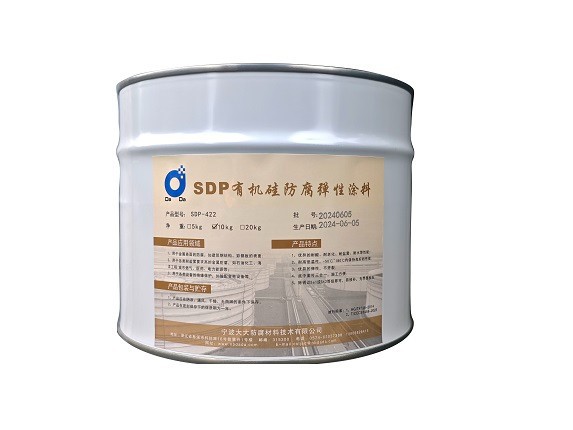
If you're in need of high - quality anti - corrosion primers, we are here to help. Our products, such as Silicone Anti - corrosion Elastic Coating and High Temperature Corrosion Resistant Coatings, are designed to meet the most demanding anti - corrosion requirements. We offer a wide range of primers with different chemistries and properties to suit various applications. Contact us today to discuss your specific needs and start a procurement negotiation.
References
- Paint and Coating Technology Handbook, Second Edition, edited by Edward Cohen and Edgar Gutoff.
- Corrosion Control by Organic Coatings: Fundamentals, Recent Developments, and Applications, by K. L. Mittal.
- ASTM International Standards on Paint and Coatings.


