


As a trusted supplier of Anti Rust Paint Spray, I often receive inquiries from customers about the optimal temperature for applying our products. Understanding the recommended temperature range is crucial for achieving the best results and ensuring long - lasting protection against rust.
The Importance of Temperature in Paint Application
The temperature at which you apply anti - rust paint spray has a significant impact on its performance. Temperature affects the drying time, adhesion, and overall quality of the coating. If the temperature is too low, the paint may not dry properly, leading to a tacky surface that is more prone to dirt and debris accumulation. On the other hand, if the temperature is too high, the paint may dry too quickly, resulting in a poor finish with possible cracking or uneven coverage.
Recommended Temperature Range
In general, the recommended temperature for applying anti - rust paint spray is between 50°F (10°C) and 90°F (32°C). This range allows the paint to flow smoothly, adhere well to the surface, and dry at an appropriate rate.
At temperatures around 50°F (10°C), the paint will dry more slowly. This can be an advantage in some cases, as it gives you more time to work with the paint and ensures better penetration into the surface. However, it also means that you need to be patient and allow sufficient time for the paint to dry completely before handling the painted object.

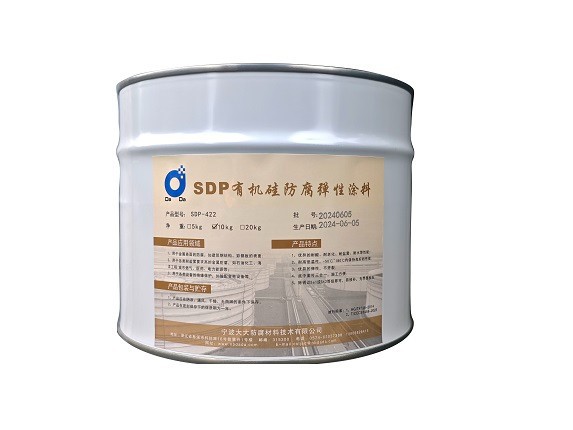
When the temperature is closer to 90°F (32°C), the paint will dry much faster. This can be beneficial if you are working on a large project and need to complete the job quickly. But you must work more efficiently to avoid the paint drying before you can spread it evenly. High temperatures can also cause the paint to evaporate too rapidly, which may lead to a thinner coating and reduced protection.
Effects of Temperature on Different Types of Anti - Rust Paint Spray
There are various types of anti - rust paint sprays available in the market, and each may have slightly different temperature requirements. For example, some solvent - based anti - rust paint sprays are more tolerant of lower temperatures compared to water - based ones. Solvent - based paints have a higher evaporation rate, which allows them to dry even in cooler conditions.
Water - based anti - rust paint sprays, on the other hand, are more environmentally friendly but are more sensitive to temperature. They typically require a warmer environment to dry properly. If applied at a temperature below the recommended range, water - based paints may freeze, which can damage the paint and prevent it from adhering correctly.
Special Considerations for Extreme Temperatures
In extremely cold or hot conditions, it may still be possible to apply anti - rust paint spray, but you need to take extra precautions.
Cold Weather Application
If you need to apply the paint in cold weather (below 50°F or 10°C), you can try using a heater to warm up the work area. Make sure the heater is placed at a safe distance from the painted surface to avoid overheating or causing a fire hazard. You can also pre - heat the paint cans slightly by placing them in warm water for a short period. However, do not overheat the cans, as this can cause the paint to expand and potentially burst the can.
Hot Weather Application
In hot weather (above 90°F or 32°C), you can try to work in the early morning or late evening when the temperature is cooler. You can also mist the surface lightly with water before applying the paint to help cool it down. This can slow down the drying process and allow for better application.
Impact of Humidity on Paint Application
In addition to temperature, humidity also plays an important role in paint application. High humidity can slow down the drying process, especially for water - based paints. If the humidity is too high, the paint may not dry at all or may develop a milky appearance. It is generally recommended to apply anti - rust paint spray when the relative humidity is between 40% and 70%.
Real - World Examples and Case Studies
Let's take a look at some real - world examples to illustrate the importance of temperature in anti - rust paint spray application. A construction company was working on a bridge project in a coastal area. They applied an anti - rust paint spray during a cold and humid day. The paint did not dry properly, and within a few weeks, rust started to appear on the surface. After consulting with our technical team, they learned that the low temperature and high humidity were the main causes. They re - applied the paint during a warmer and drier day, following the recommended temperature range, and the new coating has been providing excellent protection for several years.
Another example is a small manufacturing plant that was painting metal parts in a hot and dry environment. They applied the anti - rust paint spray without considering the high temperature. The paint dried too quickly, resulting in a patchy and uneven finish. After adjusting the application time to the cooler parts of the day and following our recommendations, they were able to achieve a smooth and durable coating.
Conclusion and Call to Action
In conclusion, the recommended temperature for applying anti - rust paint spray is between 50°F (10°C) and 90°F (32°C), with humidity levels between 40% and 70%. By following these guidelines, you can ensure the best performance and longevity of our anti - rust paint spray products.
We offer a wide range of high - quality anti - rust paint sprays, including High Temperature Corrosion Resistant Coatings and Silicone Anti - corrosion Elastic Coating. If you are interested in purchasing our products or have any questions about paint application, please feel free to contact us for more information and to discuss your specific needs. Our team of experts is always ready to assist you in making the right choice for your rust - protection requirements.
References
- "Painting and Coating Technology" by John W. Sutherland
- "The Handbook of Protective Coatings for Metals" by George P. Bierwagen


