


Hey there! I'm a supplier of Cold Wrap Anti - corrosion Tape, and I often get asked about how it stacks up against other anti - corrosion tapes out there. So, I thought I'd write this blog to break down the differences and give you a clear picture of what makes Cold Wrap Anti - corrosion Tape special.
1. General Overview of Anti - corrosion Tapes
Before we dive into the differences, let's quickly go over what anti - corrosion tapes are for. They're used to protect various surfaces, especially metal pipes, from corrosion. Corrosion can cause a whole bunch of problems, like weakening structures, reducing the lifespan of equipment, and even leading to leaks in pipelines. So, using the right anti - corrosion tape is super important.
There are several types of anti - corrosion tapes on the market, including Thick Rubber Type Polyethylene Anti Corrosive Adhesive Tape, Oily Petrolatum Tape, and Flexible Viscoelastic Tape. Each type has its own set of features and is suitable for different applications.
2. Material and Composition
Let's start with the material and composition. Cold Wrap Anti - corrosion Tape is typically made of a combination of polymers and adhesives. The polymers provide a strong, flexible base that can conform to different shapes, while the adhesives ensure a tight seal around the surface being protected.
On the other hand, the Thick Rubber Type Polyethylene Anti Corrosive Adhesive Tape, as the name suggests, has a thick rubber - like layer made of polyethylene. This gives it a high level of durability and resistance to abrasion. The oily petrolatum tape contains petrolatum, which is a semi - solid mixture of hydrocarbons. It has a greasy texture and provides good moisture resistance. The flexible viscoelastic tape is made of a viscoelastic material that can flow and adapt to the shape of the surface over time.
3. Application Process
The application process is another area where Cold Wrap Anti - corrosion Tape differs from other tapes. Cold Wrap Anti - corrosion Tape is really easy to apply. You don't need any special tools or heating equipment. You just clean the surface, remove any rust or debris, and then wrap the tape around the surface in a spiral motion. It can be applied in a wide range of temperatures, from cold to hot environments.
The Thick Rubber Type Polyethylene Anti Corrosive Adhesive Tape might require a bit more force during application because of its thick rubber layer. It also needs to be applied carefully to ensure a proper seal. The oily petrolatum tape can be a bit messy to work with because of its greasy nature. You have to make sure you wear gloves and clean up any excess petrolatum after application. The flexible viscoelastic tape usually needs to be applied with a certain amount of pressure to make it conform to the surface properly.
4. Performance in Different Environments
When it comes to performance in different environments, Cold Wrap Anti - corrosion Tape has some unique advantages. It has excellent resistance to UV rays, so it can be used outdoors without deteriorating quickly. It also performs well in wet and humid conditions, as the adhesives form a tight seal that prevents water from seeping through.
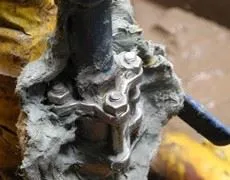

The Thick Rubber Type Polyethylene Anti Corrosive Adhesive Tape is great for areas where there's a lot of mechanical stress, like in underground pipelines. Its thick rubber layer can withstand abrasion and impact. The oily petrolatum tape is mainly used in environments where moisture is a major concern. It creates a barrier that keeps water away from the metal surface. The flexible viscoelastic tape is ideal for surfaces that experience movement or vibration, as it can adapt to these changes without losing its anti - corrosion properties.
5. Cost - effectiveness
Cost - effectiveness is always an important factor when choosing an anti - corrosion tape. Cold Wrap Anti - corrosion Tape offers a good balance between cost and performance. It's relatively affordable compared to some of the other high - end tapes on the market, but it still provides reliable anti - corrosion protection.
The Thick Rubber Type Polyethylene Anti Corrosive Adhesive Tape is usually more expensive because of its high - quality rubber material and durability. The oily petrolatum tape can also be costly, especially if you need to replace it frequently due to its messy nature. The flexible viscoelastic tape might have a higher upfront cost, but its long - term performance can make it a cost - effective choice in some applications.
6. Lifespan
The lifespan of an anti - corrosion tape is crucial for long - term protection. Cold Wrap Anti - corrosion Tape has a long lifespan. With proper application and maintenance, it can protect the surface for many years. The polymers and adhesives used in the tape are designed to resist degradation over time.
The Thick Rubber Type Polyethylene Anti Corrosive Adhesive Tape can also last a long time, especially in harsh environments. Its thick rubber layer provides a strong barrier against corrosion. The oily petrolatum tape might need to be replaced more often, especially if it's exposed to high temperatures or mechanical stress. The flexible viscoelastic tape can have a long lifespan if it's applied correctly and the surface conditions are suitable.
7. Ease of Inspection and Maintenance
Inspection and maintenance are important for ensuring the continued effectiveness of anti - corrosion tapes. Cold Wrap Anti - corrosion Tape is easy to inspect. You can visually check the tape for any signs of damage or wear. If there's a small area of damage, you can easily repair it by adding an extra layer of tape.
The Thick Rubber Type Polyethylene Anti Corrosive Adhesive Tape might require more effort to inspect, especially if it's buried underground. You might need to dig up a small section to check its condition. The oily petrolatum tape can be difficult to inspect because of its greasy nature. It can be hard to tell if there's any corrosion happening beneath the tape. The flexible viscoelastic tape can be inspected by looking for any signs of separation or deformation.
Conclusion
So, as you can see, Cold Wrap Anti - corrosion Tape has some distinct differences from other anti - corrosion tapes. It's easy to apply, performs well in different environments, is cost - effective, has a long lifespan, and is easy to inspect and maintain. If you're in the market for an anti - corrosion tape, I highly recommend considering Cold Wrap Anti - corrosion Tape.
If you're interested in learning more about our Cold Wrap Anti - corrosion Tape or have any questions about which tape is right for your specific application, feel free to reach out. We're here to help you make the best choice for your anti - corrosion needs. Let's start a conversation about how we can work together to protect your valuable assets from corrosion.
References
- Industry reports on anti - corrosion tapes
- Product specifications of different anti - corrosion tapes


